

How to Utilize Rental Portfolio Blanket Loans
Share the post:
Share the post:
Finding multiple capital sources to finance several properties can prove challenging for real estate investors looking to grow their rental investment portfolio. Each individual loan brings time-consuming underwriting processes, unique requirements, and growing logistical servicing headaches. And, that’s not to mention the evolving rental regulatory challenges investors are already tasked to navigate.
That is why savvy rental investors leverage rental portfolio loans, or blanket loans, to cross-collateralize assets and simplify the purchasing, renovating, and renting of various rental properties.
But what are blanket loans for real estate investors, and how do they work?
Below, we’ll provide a blanket loan definition, discuss when and how to utilize them, and provide common blanket loan requirements.
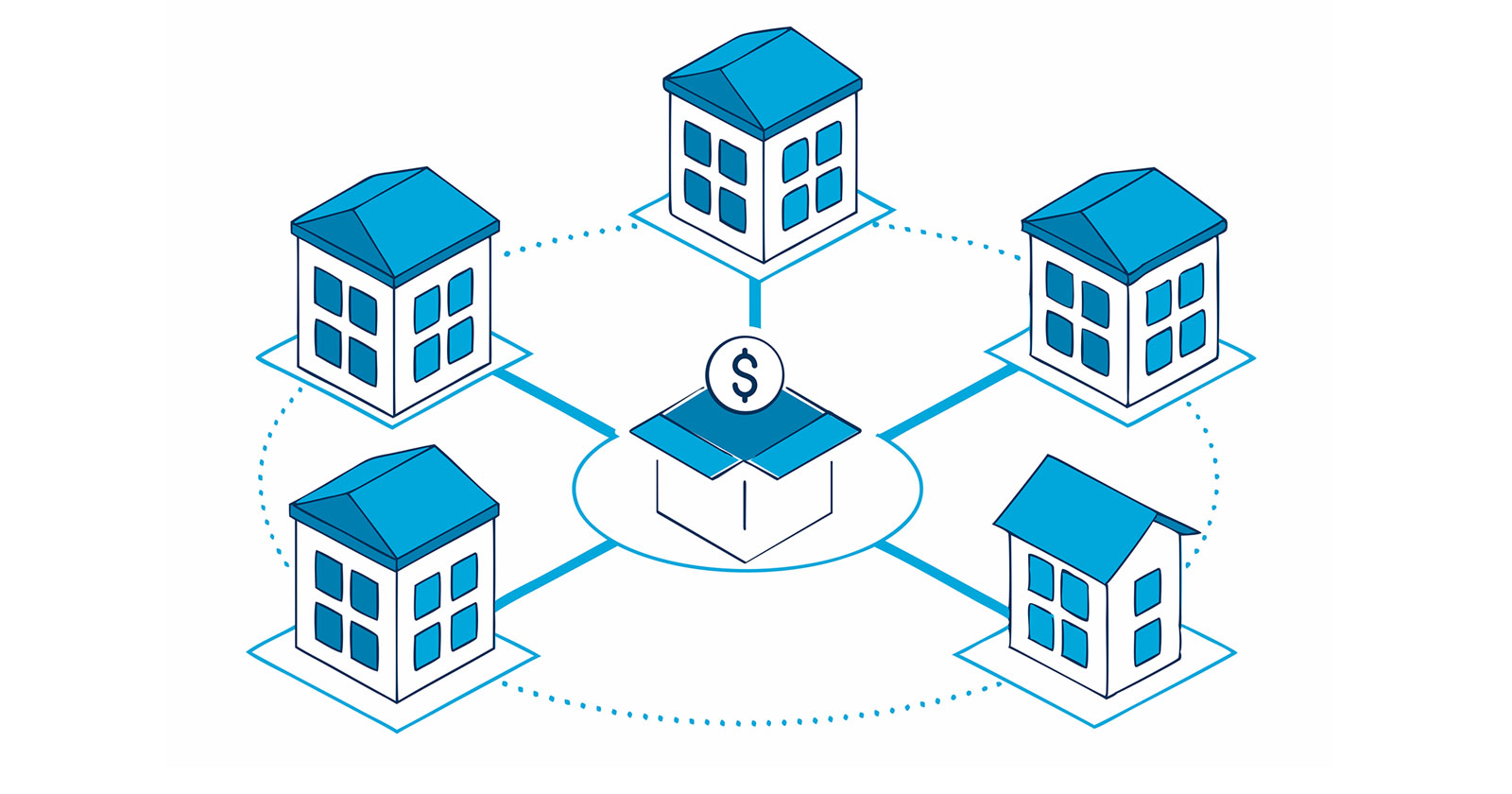
A blanket loan in real estate is offered through private lenders and is designed to meet the needs of ambitious investors looking to expand their rental portfolio. Rather than working with various lenders, investors work with a single real estate investment lender to combine each investment loan under one umbrella with a single monthly payment.
This simplifies loan processing and logistics for investors and gives lenders greater flexibility over loan terms and conditions. With more freedom, private lenders can tailor packages that cater to their client’s unique needs.
While blanket loans for rental investments focus mainly on the asset (property) over the borrower, lenders are taking a greater risk financing multiple long-term properties at once. That is why rental portfolio loans often come with certain requirements, including:
Once an investor goes from owning one or two single units to a portfolio it’s high time to cash in on the benefits of packaging mortgages into blanket loans, including:
Rental portfolio blanket loans are asset-based (takes a property’s current and/or potential cash-flow into consideration) rather than borrower-based. Instead of harping on tax filings and personal income verification, private lenders focus on property-specific documentation to determine the current and potential cash flow and cost basis of the investment properties.
In most cases for blanket loan applications, private lenders only require:
Thanks to strict guidelines and stringent governmental oversight, traditional lenders, like banks and credit unions, must limit the number of investments or capital a single borrower can receive. Additionally, conventional lenders are less flexible with the type of property a borrower can purchase. They require properties to meet “minimum conditions” to be loan-eligible. Luckily for scaling investors, this is not the case for blanket loans through private lenders!
By operating outside of governmental and institutional bureaucracy, private lenders have the freedom and flexibility to provide much higher caps on the number of loans, properties, and dollar amounts a borrower is eligible to receive. In addition, most rental portfolio loan lenders will finance C4 or better condition properties, so long as there is no deferred maintenance. This allows investors to invest in lower-cost, high-ROI properties, and a variety of property types, including:
Metric | Description |
LTV | Compares loan amount to property’s current market value |
LTC | Compares loan amount to the estimated total project costs. |
DSCR | Measures the profitability of a home as a rental by comparing income over expenses. |
With the right private lending partner by your side, you unlock the flexibility, speed, and capital necessary to grow and scale your portfolio and business. Finance of America Commercial (FACo) has been helping investors for over a decade to simplify operations and expand opportunities by consolidating and packaging loans for real estate rental investing.
Our Rental Portfolio Loan options provide investors:
A blanket loan is a financing solution that allows real estate investors to combine multiple properties under a single mortgage. Instead of managing separate loans for each rental property, borrowers can consolidate financing into one loan with a single monthly payment. Blanket loans are commonly used by investors looking to simplify property management, streamline financing, and expand their rental portfolios.
The main difference between a blanket loan and individual rental property loans is how the properties are financed. Individual loans typically secure one property each, while blanket loans use multiple properties as collateral for a single mortgage. This structure can simplify loan administration, reduce paperwork, and provide greater financing flexibility for investors managing several rental properties.
Blanket loan requirements vary by lender but typically include a minimum credit score, sufficient cash reserves, property insurance, and documentation of rental income. Lenders may also evaluate occupancy rates, property conditions, and the portfolio's overall debt service coverage ratio (DSCR). Finance of America Commercial (FACo) offers rental portfolio financing based on qualifying property performance and borrower eligibility.
Debt Service Coverage Ratio (DSCR) measures a rental property's income relative to its debt obligations. For blanket loans, lenders may evaluate the combined or weighted DSCR of multiple properties rather than assessing each property independently. This approach can help investors qualify for portfolio financing when stronger-performing rental properties support the overall financial performance of the portfolio.
Yes, some blanket mortgages include a release clause that allows investors to sell an individual property without paying off the entire loan. The lender may require a partial principal repayment or other conditions before releasing that property from the mortgage. Investors should review their blanket loan agreement to understand property release requirements and how selling an asset could affect their remaining financing.
Yes, qualified real estate investors may refinance multiple rental properties into a single blanket loan. This strategy can consolidate existing mortgages, simplify monthly payments, and potentially provide access to available property equity. Refinancing eligibility depends on the portfolio's appraised value, outstanding loan balances, rental income, credit qualifications, and the lender's loan-to-value (LTV) requirements.
Blanket loans offer several potential benefits, including simplified loan management, consolidated payments, streamlined underwriting, and increased financing flexibility. By combining multiple rental properties under one mortgage, investors may reduce administrative complexity and improve portfolio management efficiency. However, blanket loans also involve cross-collateralization risks, making it important to evaluate loan terms and property release provisions carefully.
Yes, blanket loans can support rental portfolio growth by allowing investors to finance multiple properties through a single lending arrangement. Depending on the loan program, borrowers may use portfolio refinancing or available equity to pursue additional acquisitions. FACo offers Rental Portfolio Loan solutions for qualifying investors seeking to consolidate financing, manage rental assets, and expand their real estate investment businesses.
Authored by Bianca Montalvo
SEO copywriter and strategist
This content is for informational purposes only and should not be construed as investment or legal advice. Neither the author of this content nor Roc360 assumes any liability for actions taken or not taken based on information contained herein. Investments involve risk, including potential loss of principal. You should consult a qualified professional before making financial decisions.

Table of contents Rent vs. Sell Calculator Weighing the Pros & Cons of Renting…

Table of contents Top 5 Places to Invest on the East Coast Rent or…

Table of contents Is it Better to Build New Construction or Renovate Existing Homes?…
