
Finding the Right Piece of Land to Build Investment Properties

Share the post:
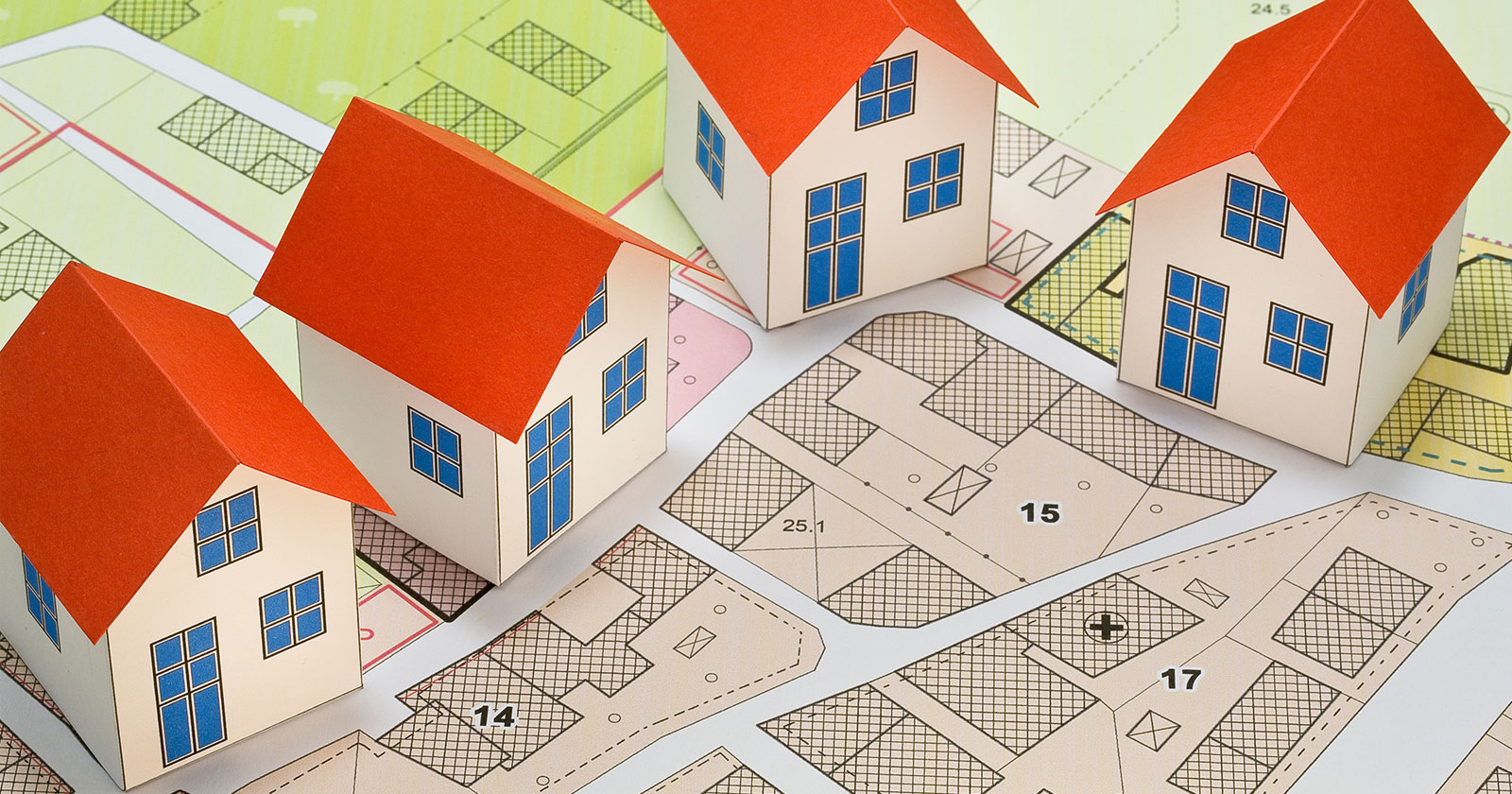
Whether you’re new to real estate investing or looking to transition from property rehabs to new build projects, finding the right piece of land for building an investment property is critical to success. If you’re wondering what separates a lot of land from a great land investment opportunity, you’ve come to the right place.

Below, we’ll discuss the benefits of buying land for ground-up construction and things to consider. We’ll also provide tips when searching for the right piece of land to build an investment property.

Let’s dive in!

The Benefits of Buying Land as an Investment to Build

There’s a reason there has been a significant increase in land investments over the last ten years. Buying land and building on it provides several benefits for investors, including more say in home designs and less competition.

Let’s look at the four biggest benefits of buying land for building investment properties:
 
  • Customization: A ground-up home construction allows you to personalize a home to fit the unique needs of your target market. Whether it’s open floor plans, energy-efficient amenities, or implementing the latest design trends that will boost resale value, you have full autonomy over the look and feel of your investment property.
  • Lower Maintenance: If you are building an investment portfolio with long-term rentals, new construction on land investments can simplify year-round landlord duties. New construction homes are built to meet the requirements of the latest building codes. Additionally, new builds with the latest technology and new appliances create fewer risks for major repairs.
  • Lower Energy Costs: Millennials and Gen Z homebuyers are looking for affordability and sustainability. By constructing an investment property from the ground up, you can meet both needs with the latest energy-efficient appliances and amenities.
  • Low Competition: The fix and flip market is highly saturated and competitive. However, with the US housing inventory still short by more than 4 million homes, investors have a unique chance to meet consumer demands for homes in a less competitive market with more opportunities.

Considerations when Building an Investment Property

Despite the benefits, buying land and building investment properties can be complex. One misstep or overlooked consideration can spell disaster for your returns and bank account.


With that in mind, let’s look at some of the more important factors to consider before purchasing a land investment property:
 
  • Property Taxes: Property tax rates can fluctuate significantly from state to state and city to city. Before purchasing any building investment property, it’s best to educate yourself on different areas’ annual property taxes and rates.
  • Zoning Laws & Issues: Like property taxes, zoning laws vary by state and city, and can limit the kinds of buildings that can be constructed on a lot of land. These laws determine how the land can be used. Meet and communicate with local zoning agencies and officials to learn what is and isn’t acceptable, and any other requirements that may hinder your investment strategy.
  • Physical Characteristics: Does a lot have access to roads? Is it in a flood zone or wetland? Even the most beautiful scenery can be a poor land investment if its physical characteristics make it unlivable.
  • Utilities: Are utilities available and accessible to the lot of land? Unlike fairly populated regions, rural land areas may not have access to necessary utility services, like electricity, water and sewage lines, or a septic tank. Getting financing from a lender for these things may be difficult as installing a septic system, drilling a well for water, or installing a power line are extremely costly and time-consuming.


Tips for Finding Good Land Investments

Below, we’ve included a few additional tips to help you succeed in your land investment search: 

  • Research: Finding the right piece of land for building an investment property can be challenging without proper research. There are several resources available online for finding investment land for sale. The Realtors Land Institute is a good place to start. This organization offers listings of different land investment properties with tools to find accredited land experts in your area. When looking at a potential land investment opportunity, it’s best to take a deep dive into the land and ownership history. Look to local government websites or pay a real estate law office to conduct a thorough title search on the land. This research will help you avoid unforeseen land disputes and ensure you’re legally purchasing all of the land listed for sale.
  • Build a Trusted Team: Any real estate investor will tell you that success is a lot easier with a team of essential real estate professionals by your side. Trusted and skilled real estate agents and contractors can provide new-build investors building investment properties with expertise and peace of mind.Look for agents with an Accredited Land Consultant (ALC) designation. ALC real estate agents operate within the land investment space and are experts at knowing your must-haves in terms of location and scope. These agents know exactly what lenders require to fund a construction project (access to paved roads, utilities in place, etc.) and can simplify your search and investment strategy planning. With the right builder, constructing your home can be the best part of the process. If you don’t already have a builder, look for those with a history of successful builds. If they’re local, ask if you can visit some of the homes they’ve recently built to find out if past clients are happy with their properties. This will also allow you to review their craftsmanship.
  • Find the Right Capital Partner: Whether you’re just starting out or are a seasoned investor, having a reliable and flexible capital provider is essential for building an investment portfolio. Lenders operating in the private sector are free from restrictive governmental oversight and regulations–unlike banks and credit unions. They possess the freedom, speed, and adaptability to help land investors succeed. By finding and securing a formidable and knowledgeable private lending partner, you can streamline each aspect of the home-building process.


Building an investment property can be a highly lucrative yet challenging endeavor. By taking key factors like property taxes and zoning laws into consideration, adequately researching the land investment markets, building a team of trusted and skilled professionals, and finding the right capital partner, investors can simplify and streamline the new building process–positioning themselves and their real estate portfolio for success!

FACo: Helping Investors Find Success in Land Investment

Finance of America Commercial (FACo) offers the most reliable and flexible short-term loan options on the market. As a premier ground-up construction lender, we pride ourselves on providing investors with the flexibility, reliability, and capital necessary to acquire land, build investment properties, and sell with success.

FACo’s short-term New Construction Loans provide investors with:

  • Up to 100% construction costs
  • Financing available in 44 states
  • 1-4 non-owner occupied unit residential, townhome, and condo eligibility
If you’re looking to capitalize on the best land investment opportunities to build profitable investment properties, let FACo be your capital partner. Schedule a FREE consultation today by CLICKING HERE.

Frequently Asked Questions

1. What should investors look for when buying land to build an investment property?

When buying land to build an investment property, investors should evaluate location, zoning regulations, road access, utility availability, and overall construction feasibility. Factors such as property taxes, soil conditions, flood zones, and nearby development can also affect profitability. Conducting thorough due diligence before purchasing land helps investors avoid unexpected expenses and identify properties suitable for ground-up construction.

2. Is buying land and building an investment property a good investment?

Buying land and building an investment property can be a profitable strategy when construction costs, local housing demand, and projected property values support the investment. Ground-up construction allows investors to customize properties for resale or rental income while incorporating modern designs and energy-efficient features. However, profitability depends on land acquisition costs, financing expenses, permits, construction timelines, and market conditions.

3. How do you determine if a piece of land is buildable?

To determine whether land is buildable, investors should verify local zoning classifications, building restrictions, utility access, road accessibility, and environmental conditions. A land survey and soil evaluation may also be necessary to identify property boundaries, easements, drainage problems, or foundation challenges. Consulting local planning authorities and qualified construction professionals can help confirm whether a lot supports the intended development.

4. What zoning requirements should you check before buying land?

Before purchasing land for investment property construction, investors should review permitted land uses, minimum lot sizes, setback requirements, building height restrictions, and residential density limits. Some jurisdictions also impose environmental protections, parking requirements, or subdivision restrictions. Understanding local zoning laws early helps investors determine whether their planned single-family home, duplex, or other residential development is legally permitted.

5. Can you get a construction loan to buy land and build an investment property?

Yes, some lenders offer ground-up construction loans that can finance eligible land acquisition and new residential construction projects. These loans are designed for investors planning to develop properties for resale or long-term rental income. Finance of America Commercial (FACo) provides construction financing solutions for qualifying non-owner-occupied residential projects, with funding availability depending on the borrower, property, and construction plans.

6. How much does it cost to prepare land for new construction?

Land preparation costs vary depending on the property's terrain, location, soil conditions, and access to utilities. Common expenses include clearing vegetation, grading, excavation, soil testing, drainage improvements, and connecting water, sewer, and electrical services. Investors should also account for surveying, permitting, and potential environmental assessments. Obtaining detailed site development estimates before purchasing land can help prevent costly construction budget overruns.

7. Is it better to buy vacant land or a property with an existing structure?

Choosing between vacant land and a property with an existing structure depends on the investor's development goals, budget, and local market conditions. Vacant land may offer greater design flexibility but require additional infrastructure and site preparation. Properties with existing structures may provide usable utility connections or renovation opportunities, although demolition and structural repairs can increase costs. Comparing total development expenses and projected returns is essential.

8. What financing options are available for building rental properties on vacant land?

Investors planning to build rental properties on vacant land may use ground-up construction loans to finance eligible development expenses. Once construction is completed and the property meets occupancy and lender requirements, investors may explore long-term rental financing or DSCR loans. FACo offers both construction and rental property loan programs, allowing qualifying investors to evaluate financing options for different stages of their investment strategy.

Authored by Bianca Montalvo

SEO copywriter and strategist

This content is for informational purposes only and should not be construed as investment or legal advice. Neither the author of this content nor Roc360 assumes any liability for actions taken or not taken based on information contained herein. Investments involve risk, including potential loss of principal. You should consult a qualified professional before making financial decisions.
Featured Insights

Table of contents Rent vs. Sell Calculator Weighing the Pros & Cons of Renting…
Table of contents Top 5 Places to Invest on the East Coast Rent or…
Table of contents Is it Better to Build New Construction or Renovate Existing Homes?…