

October Update on New Builds, Construction Costs, and Demand
Share the post:
Share the post:
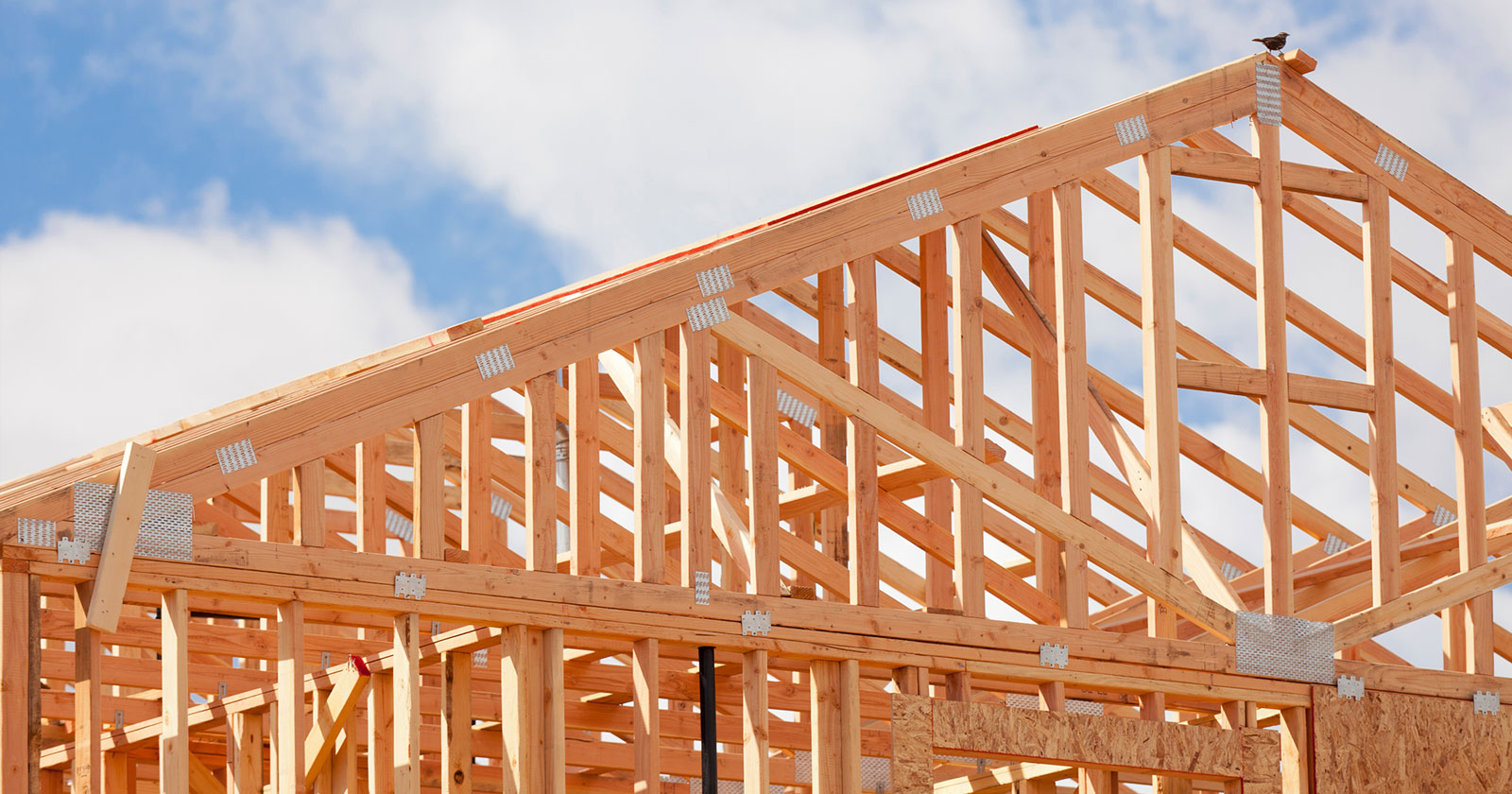
Recently, with consumers frustrated over the lack of inventory and affordability in the market, new build construction has taken off. With 2024 coming to an end, will demand for new builds continue into 2025? Data suggests it will, with single-family housing starts projected to increase 4.2% in 2025. However, ongoing challenges and evolving market trends will continue to affect new construction costs and investors’ success heading into 2025.
Let’s look at the biggest challenges and newest consumer trends as of October affecting new builds, construction costs, and market demand:
In 2024, the average cost to build a house is $329,000 nationally. Depending on where you live in the United States these numbers can vary drastically, with new builds ranging from $250,000 in Arkansas to over $400,000 in states like California, Alaska, and Hawaii.
Average cost to build a house: $329,000
Average new construction cost per square foot: $150 – $250
Average land costs per square foot: $450 – $550
In the wake of COVID-19, the construction industry was forced to navigate unpredictable fluctuations in building material costs. While key materials like lumber, plywood, and plastic and steel mill products have stabilized throughout 2024, geopolitical factors and inflation continue to drive up costs for other essential supplies, including:
Each of these products has seen significant price increases over the past year due to supply chain disruptions, an increased demand for energy-efficient building solutions, and higher gas prices. New construction costs per square foot have risen because it simply costs more to get material from point A to point B and to run machinery and equipment.
Is it cheaper to buy or build a house? For 2024 and 2025 consumers, the answer will remain new builds, especially with the median prices of existing homes at nearly $355,000 nationwide.
The greatest demographic shift in consumer demands from Millennials to Gen Z is affordability. As a top priority among Gen Zers entering the market, real estate trends have begun to swing a new direction, to include:
The recent trends surrounding affordability have led to a boom in the townhouse and single-family homes with an accessory dwelling unit (ADU) market. Townhome construction has surged to its highest rate in nearly 20 years and new homes with ADU additions rose nearly 27% in the final quarter of 2023.
Thanks to inflation and interest rates stabilizing, homebuyers are finally returning to the market. Although new construction costs are up, they remain the go-to choice for today’s consumers, and create a rare opportunity for investors to meet consumer demands of affordability and efficiency in three key ways:
The cost of building a new house depends on location, land prices, labor availability, building materials, property size, and design complexity. Additional expenses may include permits, site preparation, utility connections, and financing costs. Investors should also account for regional construction trends and potential delays when estimating their total development budget.
question.
In 2024, national estimates placed the average cost of building a house at approximately $329,000, excluding land acquisition and certain additional expenses. The article also cites construction costs of roughly $150 to $250 per square foot. Actual costs varied considerably by state, local labor rates, material prices, property specifications, and site conditions.
New construction costs have been affected by material price fluctuations, skilled labor shortages, transportation expenses, and supply chain disruptions. Higher prices for products such as concrete, insulation, and construction equipment can increase overall development budgets. Investors should monitor local contractor availability and obtain updated material quotes to reduce the risk of unexpected cost increases.
Construction labor shortages can increase wages, extend project timelines, and make it harder for builders to secure qualified contractors. Limited availability of electricians, plumbers, carpenters, and other skilled workers may also delay important construction milestones. Investors can manage these challenges by developing dependable contractor relationships, scheduling work early, and including realistic labor costs in their project budgets.
Whether buying or building is more affordable depends on local home prices, construction costs, land availability, and property specifications. Existing homes may offer lower upfront costs but require additional maintenance or renovations. New construction provides opportunities for modern layouts and energy-efficient features, although land, labor, and development expenses can make the initial investment higher.
Younger homebuyers often prioritize affordability, practical layouts, energy efficiency, and manageable maintenance expenses. Smaller single-family homes, townhouses, and properties with flexible living spaces may appeal to buyers seeking greater functionality within their budgets. In eligible markets, accessory dwelling units (ADUs) can also provide additional living space or potential rental income opportunities.
Investors can manage rising construction costs by preparing detailed budgets, comparing contractor bids, selecting cost-effective materials, and establishing contingency reserves. Researching local housing demand can also help builders avoid spending excessively on features that may not increase resale value. Accurate project scheduling and regular expense monitoring are essential for maintaining profitability throughout construction.
Real estate investors can use ground-up construction loans to finance eligible residential development projects. Depending on the loan program, financing may support qualifying construction expenses, with funds distributed through a draw process as project milestones are completed. Finance of America Commercial (FACo) offers New Construction Loans for qualifying non-owner-occupied residential investment properties, subject to underwriting and program requirements.
Authored by Bianca Montalvo
SEO copywriter and strategist
This content is for informational purposes only and should not be construed as investment or legal advice. Neither the author of this content nor Roc360 assumes any liability for actions taken or not taken based on information contained herein. Investments involve risk, including potential loss of principal. You should consult a qualified professional before making financial decisions.

Table of contents Rent vs. Sell Calculator Weighing the Pros & Cons of Renting…
Table of contents Top 5 Places to Invest on the East Coast Rent or…
Table of contents Is it Better to Build New Construction or Renovate Existing Homes?…
