

Rental Investing: Investing Locally vs. Across State Lines
Share the post:
Share the post:
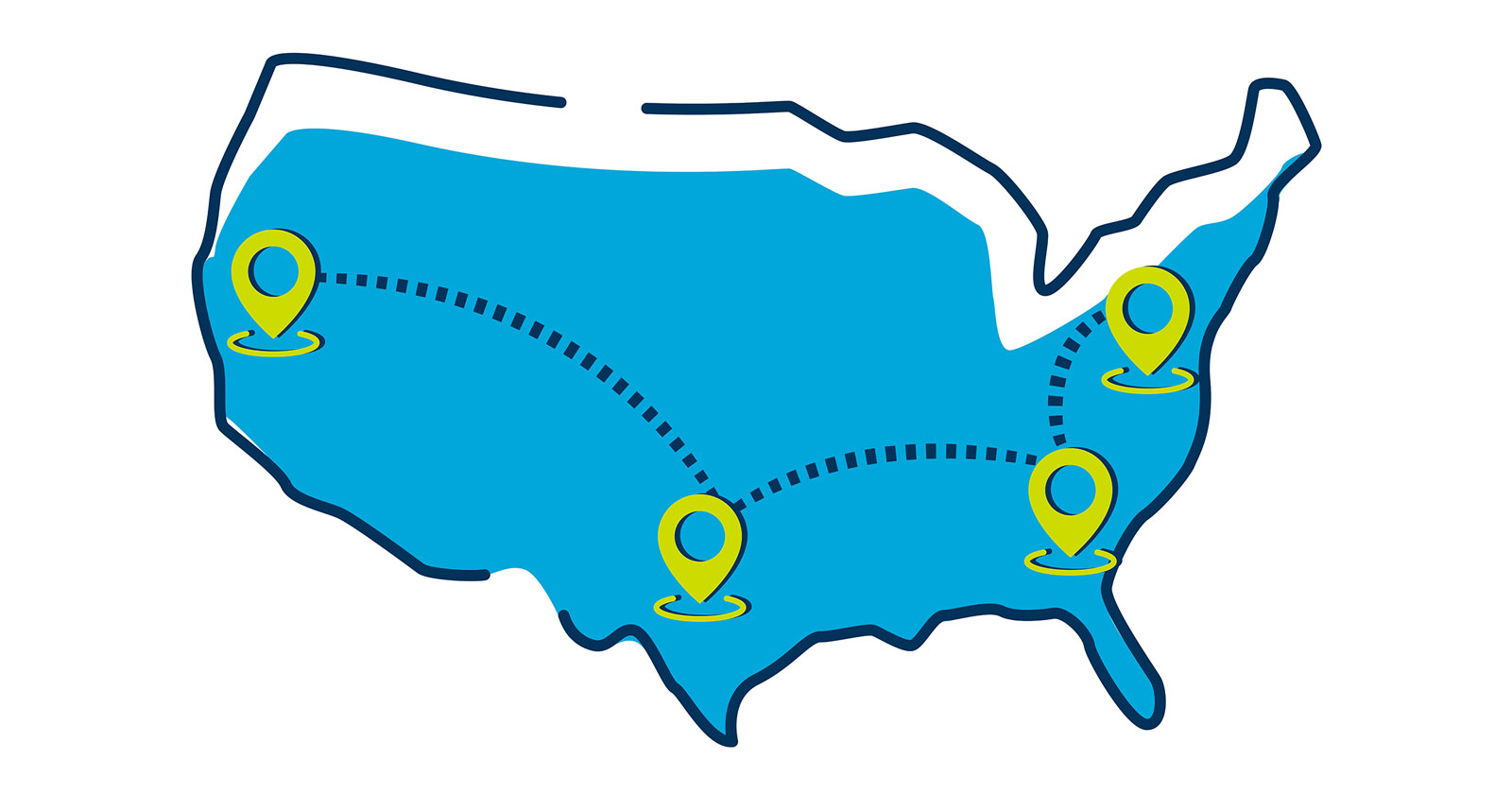
While local multi-unit or single-family rental investing has perks, it can be limiting. For starters, local rental investing can hinder your ability to build a diversified real estate portfolio. Additionally, when you stay local, you are confined to the markets within your region and neighborhoods. Based on your overall business goals, local rental investing can limit your ability to scale and find more lucrative opportunities in attractive and less costly out-of-state markets.
While there are several business and financial benefits to out-of-state investing, there are certain challenges that come with moving out of state:
Market inexperience: You likely enter an unfamiliar rental market, which can be risky without adequate research and a smart business plan. Rental distance: Local investors have the luxury of short travel times to view, inspect, and assess a local rental property. Out-of-state investors must rely on great decision-making and a keen eye, or look to build a team of trusted local professionals, to mitigate the lack of familiarity they may have with a property. Local laws & regulations: Navigating the evolving regulatory challenges in the residential rental property market
is difficult enough. Venturing into new territories and owning property in another state means new taxes, zoning rules, and regulations. Property management: Living outside the state of your rental unit makes it nearly impossible to manage it effectively on your own. In most cases, you will need to invest in a local property manager.
Whether you’re looking to invest in local real estate markets or expand beyond state lines, adequately financing a rental property is pivotal to the success of any business plan. Finance of America Commercial (FACo) provides the most reliable and flexible long-term rental financing on the market. With several term, rate, and prepayment loan options available, our experts have the freedom to mix, match, and tailor the ideal financing for your unique needs. Finance of America Commercial’s Rental Portfolio and Single Rental loan options offer:
This content is for informational purposes only and should not be construed as investment or legal advice. Neither the author of this content nor Roc360 assumes any liability for actions taken or not taken based on information contained herein. Investments involve risk, including potential loss of principal. You should consult a qualified professional before making financial decisions.
Choosing between local and out-of-state rental property investing depends on your financial goals, experience, and available resources. Local investing offers greater familiarity with neighborhoods, easier property oversight, and opportunities to self-manage. Out-of-state investing can provide access to more affordable markets, different rental demand conditions, and portfolio diversification. Investors should compare projected returns, operating expenses, and management requirements before making a decision.
Investing in local rental properties allows investors to use their knowledge of neighborhood trends, property values, and tenant demand. Living nearby can also simplify property inspections, maintenance coordination, and tenant communications. For beginners, local investing may reduce travel expenses and reliance on third-party management services while providing valuable experience with landlord responsibilities and rental property operations.
Out-of-state real estate investing allows investors to explore rental markets beyond their immediate geographic area. Potential benefits include lower acquisition costs, stronger rental income opportunities, access to growing housing markets, and geographic diversification. However, these advantages vary by location. Investors should research property values, vacancy rates, operating expenses, and local regulations to determine whether a particular market supports their investment objectives.
To identify promising out-of-state rental property markets, investors should evaluate employment growth, population trends, housing affordability, rental demand, and vacancy rates. Comparing purchase prices with estimated rental income can help identify potential cash flow opportunities. Investors should also research property taxes, insurance costs, landlord regulations, and local property management services before purchasing rental properties in unfamiliar markets.
Yes, investors can manage out-of-state rental properties remotely, although doing so typically requires reliable local support. Property management companies can handle tenant screening, rent collection, maintenance coordination, and inspections. Investors who prefer self-management should establish relationships with local contractors and service providers. Property management software and digital communication tools can also simplify long-distance rental property operations.
Out-of-state rental investors must consider the landlord-tenant laws, property tax requirements, zoning regulations, and insurance obligations applicable to the property's location. Different states and municipalities may have unique rules governing security deposits, lease agreements, inspections, and eviction procedures. Rental income may also create state tax filing obligations. Investors should consult qualified legal and tax professionals before expanding into a new jurisdiction.
To compare rental property return on investment (ROI), investors should estimate annual rental income and subtract operating expenses, including property taxes, insurance, maintenance, vacancy allowances, and property management fees. Financing expenses and initial capital requirements must also be considered when evaluating cash-on-cash returns. Comparing net cash flow and expected appreciation helps investors determine which market better aligns with their financial goals.
Yes, qualifying investors may obtain Debt Service Coverage Ratio (DSCR) loans for rental properties located outside their state of residence. DSCR financing evaluates eligible rental income relative to debt obligations rather than relying primarily on traditional personal income documentation. Finance of America Commercial (FACo) offers Single Rental and Rental Portfolio loan programs for qualifying investors seeking to purchase or refinance residential investment properties in eligible states.
Authored by Bianca Montalvo
SEO copywriter and strategist
This content is for informational purposes only and should not be construed as investment or legal advice. Neither the author of this content nor Roc360 assumes any liability for actions taken or not taken based on information contained herein. Investments involve risk, including potential loss of principal. You should consult a qualified professional before making financial decisions.

Table of contents Rent vs. Sell Calculator Weighing the Pros & Cons of Renting…

Table of contents Top 5 Places to Invest on the East Coast Rent or…

Table of contents Is it Better to Build New Construction or Renovate Existing Homes?…
