

Top 3 Cities with Urban Infill Potential
Share the post:
Share the post:
“Urban infill” is a term for adding new developments to already developed neighborhoods to increase density through new housing and business development. Infill development strategies play a critical role in city planning and community revitalization. Urban infill projects spur redevelopment of existing land, building up housing and business opportunities in areas with walkability and easy access to public transportation.
The urban infill concept also helps cities’ sustainability agendas by promoting the reuse of land within the urban growth boundary. By utilizing existing infrastructure, land, and amenities, urban infill developments reduce urban sprawl, minimize the outward expansion into undeveloped land, and help preserve natural lands.
Lowry Airfield’s Urban Infill Project: If you’re looking for a great urban infill example, look no further than Lowry in Denver, Colorado. The Francis B. Lowry Airfield, first established in 1937, had trained over 55,000 men annually for WWII combat. However, after its closing in 1994, the city of Denver needed to find a way to make the 1,900-acre site profitable.
Working closely with various investors, city planners helped redesign the airfield into a bustling residential and commercial metropolis. In 2009, the Lowry urban infill project was completed. The once prestigious airfield had been transformed into a premier neighborhood in Denver, housing more than 25,000 people. The planned community contains homes, schools, colleges, and businesses with hundreds of employees.
With so many positives for cities, businesses, and residents, it’s no wonder urban infill projects are in high demand–and offer significant financial benefits for real estate investors. But where can investors find urban infill opportunities?
Let’s look at the top 3 cities with urban infill potential:
With 208 acres of undeveloped land scattered across the central business district (CBD) of Dallas, Austin, San Antonio, and Houston, Texas is the Mecca of urban infill potential. Since 2013, Dallas has approved CBD construction projects on over 8.5 million square feet of its city. Urban infill architecture projects, like the Summit Parque apartment complexes, have brought a revitalized modern style, along with affordable living options, to the city.
When it comes to real estate, Dallas is one of the most attractive areas for homebuyers, renters, and investors alike. Nationally, Dallas ranks fifth in both homebuilding prospects and economic growth. Not to mention, the Dallas housing market consistently outperforms national averages for home appreciation and housing affordability.
With nearly 87 acres of vacant land within the city’s CBD as of 2018, Dallas remains a bedrock for new urbanism projects and opportunities.
Sprawled in the heat of the Mojave Desert, Las Vegas is world-renowned for its entertainment scene. However, the city offers lucrative residential real estate opportunities and is brimming with transit-oriented development (TOD) opportunities.
While the metropolis is less dense than other popular cities like New York and Los Angeles, it offers 75 acres of vacant lots and urban infill potential within its CBD. As a top tourist destination, the city maintains solid job growth and opportunity year-round.
While Vegas’ home and rental prices are consistent with national averages, they offer above-average YoY appreciation. Additionally, with the city’s population continuing to grow–8% since 2010–and a strong job market, residential real estate investors should be salivating at various urban infill house-building opportunities.
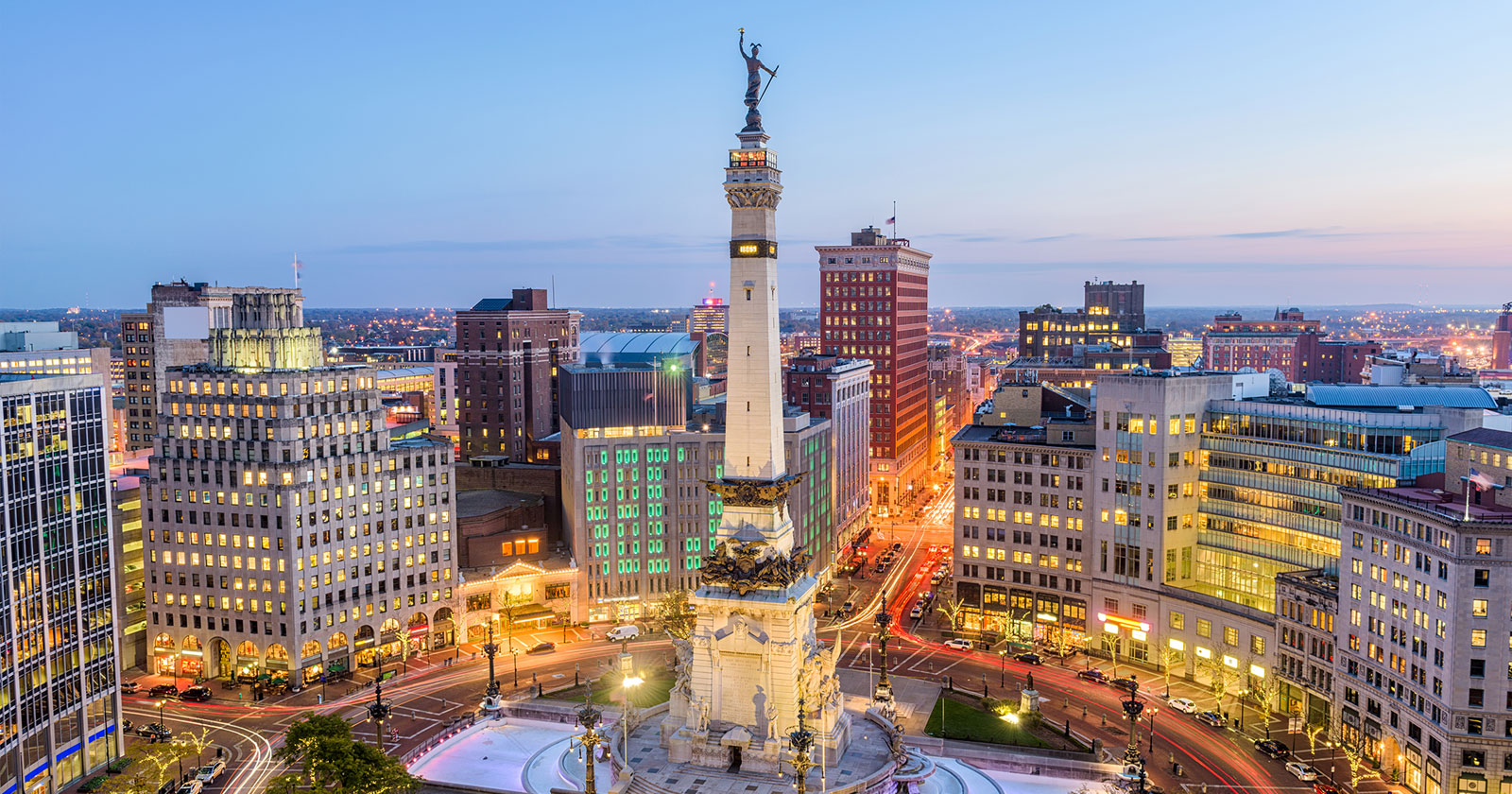
For years, Indianapolis was regarded as an auto-friendly city, lacking the density and walkability necessary to entice city dwellers to its CBD. That was until city planners began to focus heavily on urban infill development projects. Since 2008, hundreds of new single-family houses and duplexes have been built within the three miles of the city’s famed Monument Circle–along with thousands of townhomes and apartments.
Luckily, there’s still plenty of room for growth and investment opportunity, with over 24 acres of vacant land within the Indianapolis CBD. In addition, the city’s real estate market offers ongoing economic growth and affordability. With median home prices 23% lower than national averages, it’s not surprising that it’s a desirable market.
With a 12-year population growth of 13.16%, low unemployment rates, and plenty of urban infill housing project opportunities, experienced investors have their eyes on the midwestern metropolis in 2024 and beyond.
With ongoing urban infill opportunities scattered throughout the country, investors continue to flock to the real estate investment market. Whether you’re a real estate savant or a first-time investor, access to fast, flexible, and reliable financing can make or break any successful investment opportunity.
Finance of America Commercial (FACo) offers the most reliable and flexible long- and short-term financing options on the market for real estate investors. Whether you’re looking to buy, sell, or rent your investment property, FACo’s flexible terms, low rates, and prepayment options can meet your specific needs.
Our team of professionals has the knowledge and insights to help you find, fund, and execute an investment endeavor. We can match you with the best financing to fund your urban infill project.
Whether you’re looking to buy, sell, or rent an investment property in 2024, FACo has the experts, tools, and financing to get it done. CLICK HERE to schedule a FREE consultation with a FACo expert today!
Urban infill development involves constructing new residential or commercial properties on vacant, underused, or previously developed land within existing urban areas. Rather than expanding into undeveloped locations, infill projects take advantage of established neighborhoods, infrastructure, and nearby amenities. Real estate investors use urban infill strategies to create new housing opportunities, support neighborhood revitalization, and potentially increase property values.
Dallas, Texas; Las Vegas, Nevada; and Indianapolis, Indiana are three cities highlighted for their urban infill development potential. Dallas offers opportunities within established urban neighborhoods, Las Vegas presents possibilities for transit-oriented development, and Indianapolis has experienced residential redevelopment near its downtown area. Investors should evaluate current land availability, construction costs, housing demand, and local development regulations before choosing a market.
Investors can find potential urban infill lots by researching municipal land inventories, local real estate listings, public property records, and redevelopment programs. Working with local real estate agents, developers, and planning departments can also help identify underutilized parcels. Before purchasing land, investors should verify zoning classifications, utility access, environmental conditions, property boundaries, and construction feasibility.
Urban infill profitability depends on land acquisition costs, local housing demand, construction expenses, and the property's projected resale or rental value. Properties located near employment centers, public transportation, schools, and established amenities may offer stronger market appeal. Investors should compare nearby property values, estimate total development expenses, and calculate expected returns before committing to an infill construction project.
Transit-oriented development (TOD) focuses on creating residential and commercial properties near public transportation networks. These projects can appeal to residents seeking convenient access to employment, shopping, and entertainment without relying heavily on personal vehicles. For real estate investors, transit accessibility may improve property marketability and rental demand, although returns depend on local transportation infrastructure, development costs, and neighborhood conditions.
Urban infill construction must comply with applicable zoning ordinances, building codes, land use restrictions, and local permitting requirements. Investors may need to evaluate minimum lot sizes, building setbacks, height restrictions, parking requirements, and permitted residential density. Some municipalities offer redevelopment incentives or streamlined approval processes, but requirements vary by location and should be confirmed before purchasing a development site.
Common urban infill investment risks include unexpected site preparation expenses, environmental contamination, outdated underground utilities, zoning limitations, and construction access challenges. Development within established neighborhoods may also involve additional permitting requirements or infrastructure coordination. Investors can reduce potential financial exposure by conducting thorough due diligence, obtaining realistic construction estimates, and maintaining contingency reserves for unexpected project costs.
Yes, qualifying real estate investors may use ground-up construction loans to finance eligible urban infill residential developments. Depending on the loan program, financing may support qualifying construction expenses, with funds distributed through scheduled construction draws. Finance of America Commercial (FACo) offers New Construction Loans for eligible non-owner-occupied residential investment projects, subject to property qualifications, borrower eligibility, and underwriting requirements.
Authored by Bianca Montalvo
SEO copywriter and strategist
This content is for informational purposes only and should not be construed as investment or legal advice. Neither the author of this content nor Roc360 assumes any liability for actions taken or not taken based on information contained herein. Investments involve risk, including potential loss of principal. You should consult a qualified professional before making financial decisions.
Table of contents Rent vs. Sell Calculator Weighing the Pros & Cons of Renting…
Table of contents Top 5 Places to Invest on the East Coast Rent or…
Table of contents Is it Better to Build New Construction or Renovate Existing Homes?…
