

Understanding the Permit Process for New Build Investors
Share the post:
Share the post:
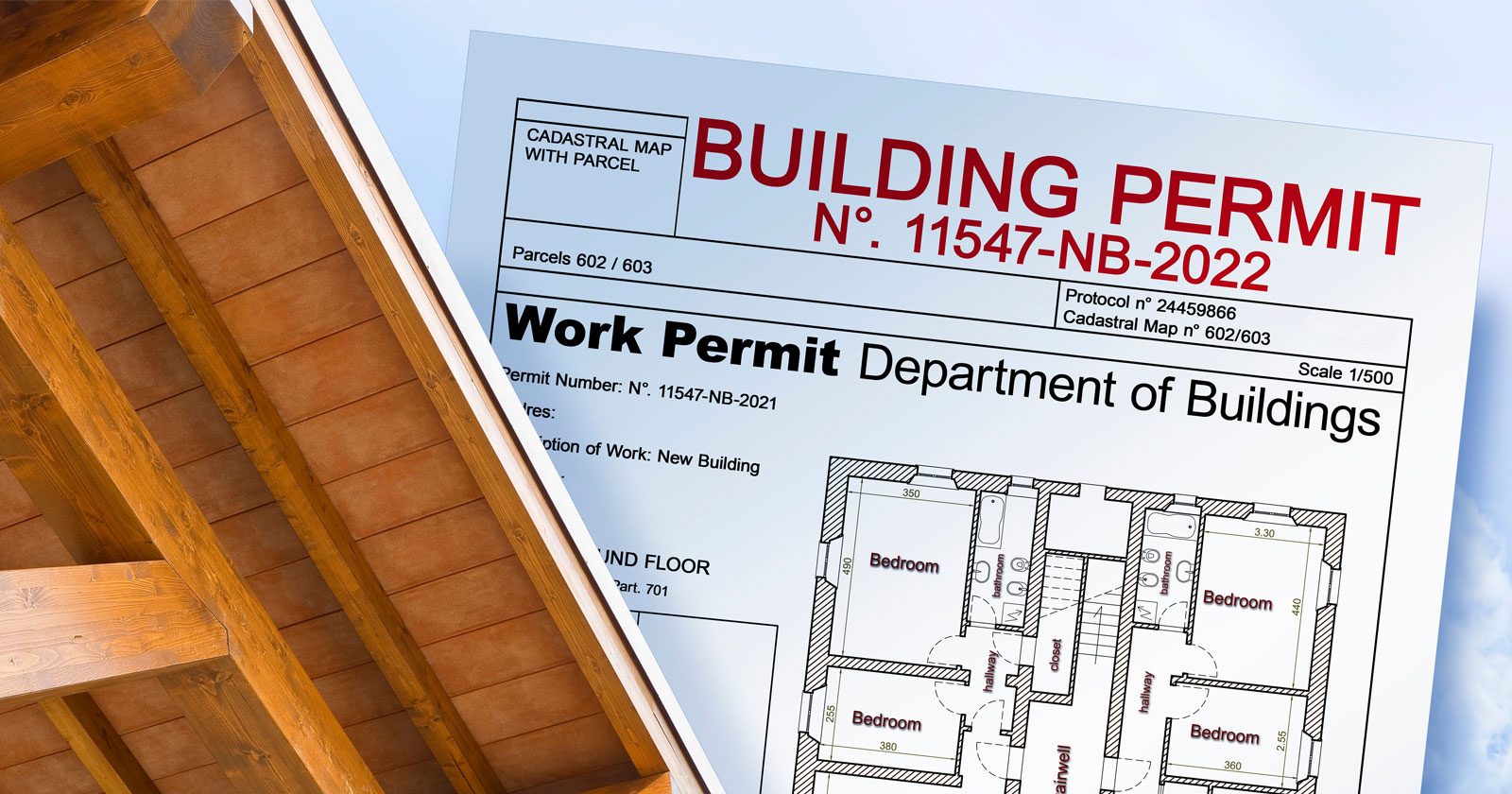
Ground-up construction can be one of the most rewarding strategies in real estate investing. Whether you’re building to sell or creating long-term rental inventory, new homes allow investors to design modern layouts, incorporate energy-efficient systems, and capture higher ARVs than most renovation projects. But before construction starts, every project—no matter the market—begins with one essential step: permits
Ground-up construction can be one of the most rewarding strategies in real estate investing. Whether you’re building to sell or creating long-term rental inventory, new homes allow investors to design modern layouts, incorporate energy-efficient systems, and capture higher ARVs than most renovation projects. But before construction starts, every project—no matter the market—begins with one essential step: permits.
Understanding how the permitting process works, which approvals you’ll need, how long it takes, and how it affects financing is one of the most essential skills for any investor entering the new build space. The better prepared you are on permitting, the smoother your build will go.
At FACo, we specialize in helping investors navigate this process from start to finish. We know permitting can create uncertainty, especially for new builders—which is why FACo allows investors to secure Ground-Up Construction funding even before permits are issued. Once permits are approved, we can provide up to 15% additional LTC in catch-up draws, ensuring your project is capitalized correctly from the start.
Below is a high-level guide to the permitting process, what each permit covers, and how investors can position their projects for faster approvals and smoother execution.
Permits are more than paperwork—they’re a legal authorization to build. They protect your investment by ensuring the project complies with:
Without proper permits, investors risk several holdbacks including: stop-work orders, fines, inspection delays, difficulty obtaining insurance, or issues with financing or selling the completed property.
Permits ensure that, upon completion, your property is safe, code-compliant, and fully financeable. They are a foundational element of a successful build.
While requirements vary by city and county, most new build projects require several core permits. Understanding them early will help investors plan more effectively.
Before you can apply for a building permit, you must confirm that the land is legally allowed for residential construction. Zoning determines:
If your intended use doesn’t match zoning, you may need a zoning variance, rezoning request, or special use permit.
These additional steps can significantly extend timelines, so verifying zoning upfront is essential.
This is the primary permit required for new construction. The application typically includes:
The building department uses this permit to verify the home will be structurally sound and code-compliant.
Some jurisdictions include these within the building permit, while others require separate filings. These permits cover all critical systems:
These items will receive multiple inspections during construction.
Depending on the lot and preparation required, you may need approvals for:
These permits ensure the land can structurally support the proposed build.
One of the biggest differentiators between an easy build and a challenging one is access to utilities. Developed suburban lots are often ready for hookups, while rural properties may require significant infrastructure. Due to the high upfront costs of installing utility access, most lenders prefer to finance properties with easy access to them.
As such, you may need approvals for:
FACo generally recommends that new builders stick to build-ready lots with existing utility infrastructure, as these projects tend to move more quickly and carry less risk.
Certain areas—coastal, mountain, or environmentally sensitive zones—may require additional review:
Understanding these early helps investors avoid unexpected delays.
Many lenders won’t release construction financing until permits are approved. FACo takes a different approach.
FACo allows Ground-Up Construction funding even before permits are issued. This gives investors several advantages:
Once permits are fully approved, FACo provides up to 15% additional LTC through catch-up draws, ensuring the project remains properly funded through its initial phases.
This flexibility is a significant benefit for builders entering competitive markets where timing matters.
While every city is unique, most permitting workflows follow a general structure. Investors who understand each step in advance can significantly streamline the process.
Before committing to architectural plans or a purchase contract, confirm:
This step ensures the lot is a good candidate for financing and construction.
To submit for a building permit, you will need:
Most jurisdictions require licensed professionals to prepare these documents. Incomplete or inaccurate plans are a primary cause of permit delays.
A permit package often includes:
Processing times vary widely—anywhere from 1–12+ weeks depending on the region.
During review, city officials will:
Receiving correction notices is common. Quick responses help keep the project moving.
Once approved, you receive:
Only after this step can full construction begin—and this is when FACo’s additional LTC catch-up draws become available.
Most cities require inspections at multiple phases, such as:
Passing final inspection leads to the issuance of the Certificate of Occupancy (CO), which confirms the home is legally habitable and ready for sale or rental.
While rural or off-grid parcels may appear inexpensive, they often come with:
FACo encourages clients—especially newer builders—to focus on:
These locations typically provide:
Choosing the right lot often matters just as much as choosing the right contractor or lender.
Navigating permits can be complex, but you don’t have to do it alone. FACo’s Ground-Up Construction financing is designed with investors in mind, offering:
Whether you’re building your first home or scaling a multi-project pipeline, FACo is here to help you move with confidence from land acquisition to completion.
If you’re ready to start your next build or want help evaluating a new lot, reach out to FACo today. Our team is here to guide you through financing options and support your investment goals at every step.
Most ground-up construction projects require a building permit, zoning approval, and permits for electrical, plumbing, and mechanical systems. Depending on the location, additional permits may be needed for grading, foundation work, utility connections, or environmental compliance. Requirements vary by municipality, so investors should confirm local regulations before beginning construction.
Building permit approval typically takes anywhere from 1 to 12 weeks or longer, depending on the municipality, project complexity, and completeness of the application. Zoning variances, environmental reviews, and plan corrections can extend the timeline. Preparing accurate architectural and engineering plans upfront can help minimize delays.
Yes. While many lenders require approved permits before providing financing, FACo offers Ground-Up Construction funding before permits are issued. This allows investors to secure land, begin planning, and move forward with the permitting process without waiting for final approvals. Once permits are approved, eligible projects may receive up to 15% additional loan-to-cost (LTC) financing through catch-up draws.
Building permit fees vary by location, property size, and project scope. Typical permit application costs can range from $750 to $2,500 or more. Additional expenses may include architectural drawings, engineering reports, zoning applications, inspections, and specialty permits. Investors should account for these costs when establishing their construction budgets.
Beginning construction without required permits can result in stop-work orders, fines, inspection delays, and potential complications with insurance or financing. Unpermitted construction may also create problems when selling or renting the completed property. Obtaining proper approvals before starting construction helps protect your investment and ensures compliance with local building codes.
Before purchasing land, investors should verify zoning regulations, utility availability, setbacks, easements, environmental restrictions, and access requirements. Build-ready lots with existing infrastructure generally offer fewer complications and more predictable construction timelines. Evaluating these factors early can help investors avoid unexpected expenses and permitting delays.
New construction typically requires inspections at several stages, including foundation, framing, electrical, plumbing, HVAC, insulation, and final completion. Local building departments use these inspections to verify compliance with approved plans and safety standards. After passing the required final inspections, the property can receive a Certificate of Occupancy (CO), confirming it is legally habitable.
FACo offers Ground-Up Construction financing designed to help real estate investors move from land acquisition through project completion. Financing features include flexible 12–24-month terms, funding before permits are issued, up to 100% of construction costs, and up to 15% additional LTC through catch-up draws after permit approval. FACo supports eligible construction projects across 47 states.
Authored by Bianca Montalvo
SEO copywriter and strategist
This content is for informational purposes only and should not be construed as investment or legal advice. Neither the author of this content nor Roc360 assumes any liability for actions taken or not taken based on information contained herein. Investments involve risk, including potential loss of principal. You should consult a qualified professional before making financial decisions.

Table of contents Rent vs. Sell Calculator Weighing the Pros & Cons of Renting…
Table of contents Top 5 Places to Invest on the East Coast Rent or…
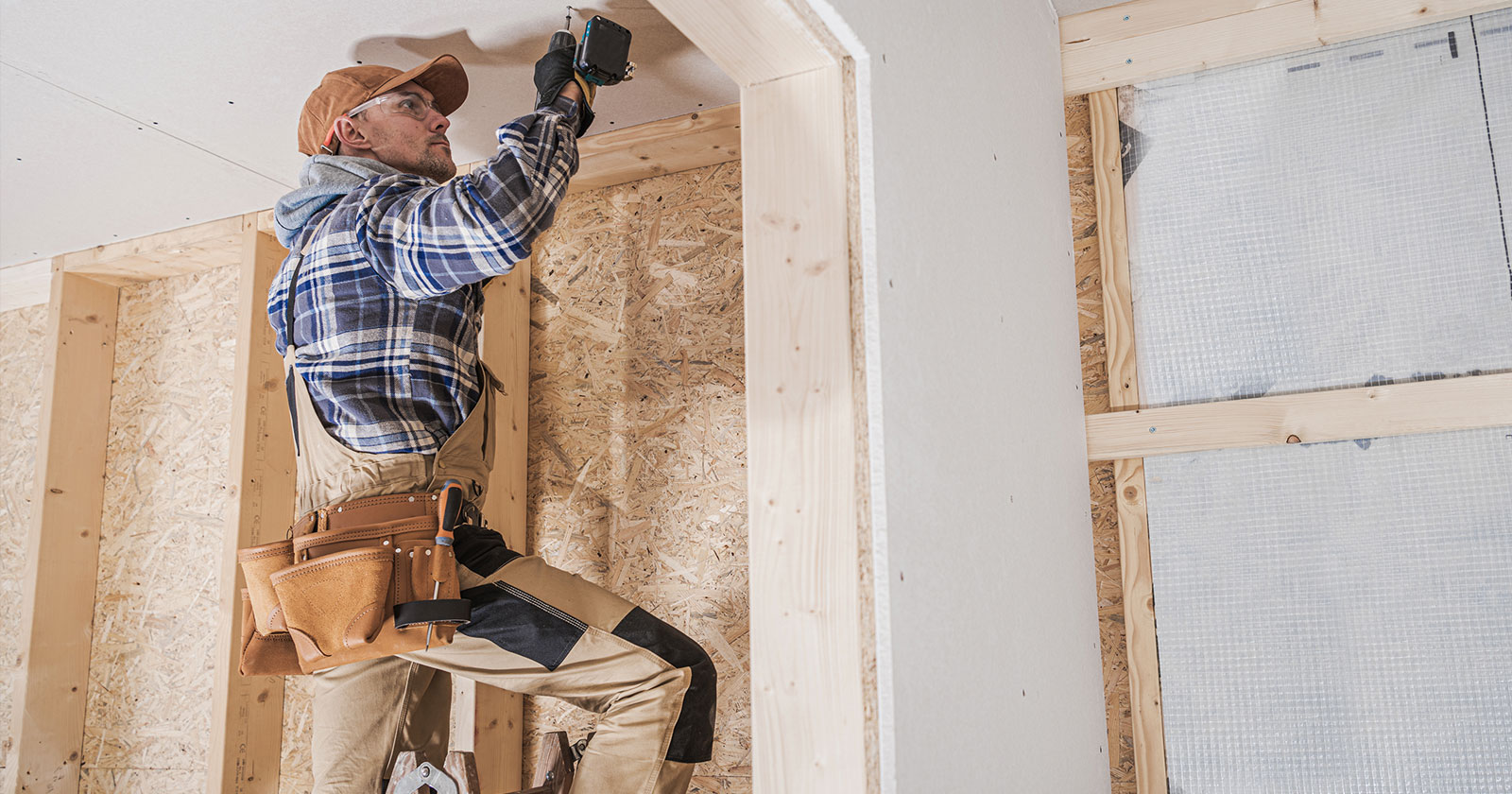
Table of contents Is it Better to Build New Construction or Renovate Existing Homes?…
