

What’s Your Build Type? Luxury Builds vs. Tract Homes
Share the post:
Share the post:
The heightened appeal of buying a brand new, never-before-lived-in home is undeniable for homebuyers, which is why new-build construction remains one of the most profitable investment strategies in the country. However, when it comes to residential construction, investors must decide whether to build luxury or tract homes.
Below, we’ll explain the differences between luxury new builds and tract houses, including the pros and cons of each and which is best for you based on your investment strategy.
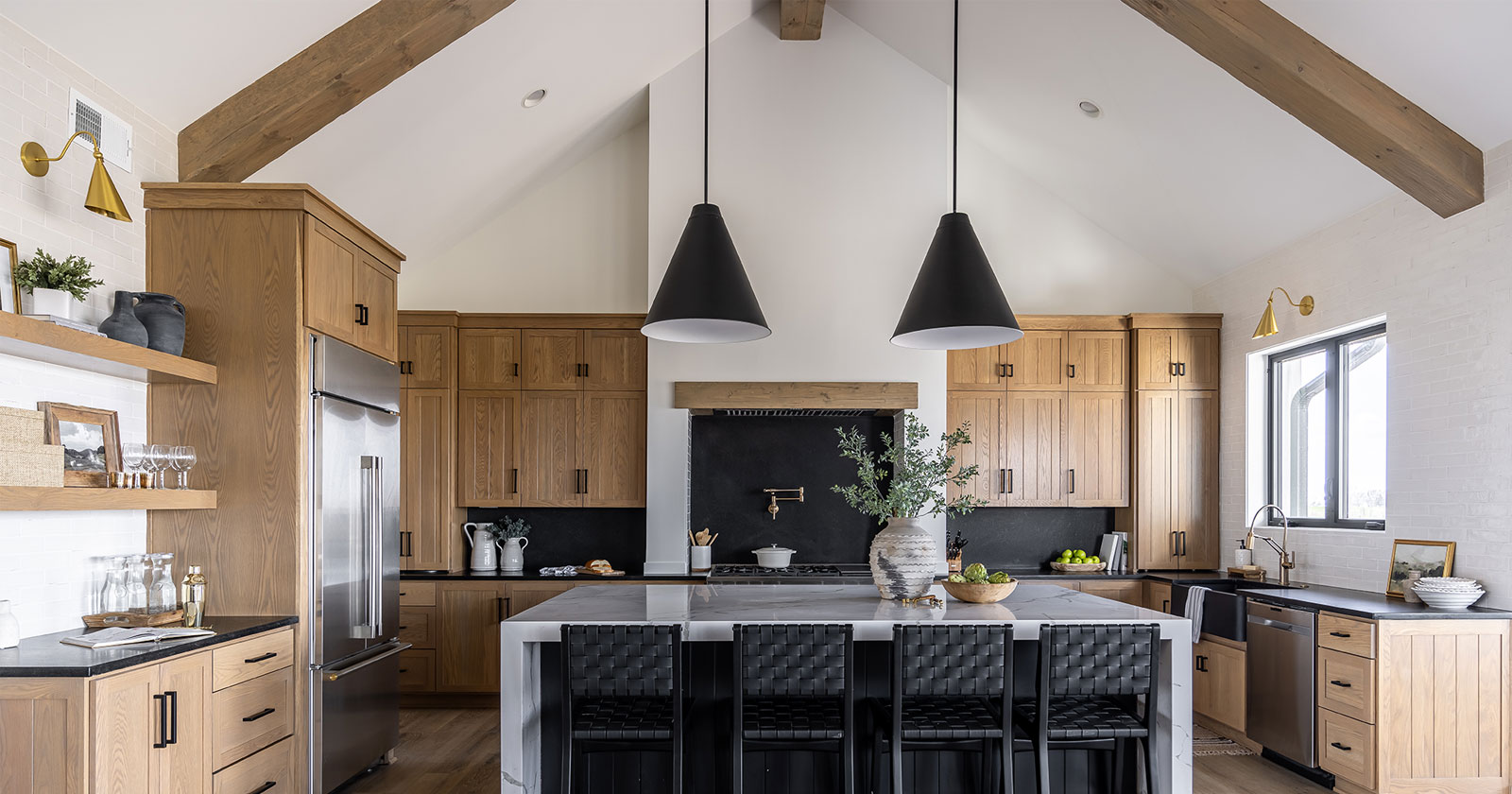
What is a Luxury New Build?
With each unique and attractive addition to a luxury home, an investor can expand resale value and buyer appeal.
The decision to build luxury builds vs. tract homes depends on your investment strategy, where you plan to build, and your financial resources.
Whether you venture into luxury builds or tract homes, you need adequate capital to cover building expenses. With the average tract home and luxury new build costing at least $400,000 and anywhere from $200-$600 per square foot respectively; reliable, fast, and flexible financing is essential to new build success and business growth.
Finance of America Commercial (FACo) has helped investors and builders navigate and conquer the challenges of new construction investing for over a decade. With flexible financing terms, fast approval processes, and a team of industry experts, we have the tools, resources, and capital to help you build, sell, and grow. Our Construction Loan program provides:
Luxury builds are custom or semi-custom homes featuring premium materials, distinctive architecture, and high-end amenities. Tract homes are typically constructed in planned developments using standardized floor plans and materials. While luxury homes offer greater customization and potentially higher resale prices, tract homes generally benefit from lower construction costs, more predictable development processes, and broader affordability.
The better investment depends on an investor's budget, experience, target market, and financial goals. Luxury homes may offer higher potential profits per property but typically involve greater upfront costs and longer selling periods. Tract homes can provide more affordable entry points and opportunities for rental portfolio expansion. Investors should compare construction expenses, local demand, and projected returns before selecting a strategy.
Luxury new builds can generate larger profits per sale because they target buyers willing to pay premium prices for custom designs and high-end features. However, higher land, labor, and material costs can reduce overall profit margins. Tract homes may produce smaller profits per unit but can benefit from construction efficiencies and repeatable development models. Actual profitability depends on local market conditions and total project expenses.
Tract homes offer several potential benefits for real estate investors, including lower construction costs, standardized building processes, and appeal to a broad range of homebuyers. Planned communities may also provide opportunities to acquire multiple properties for long-term rental investments. Their relatively predictable layouts and construction requirements can simplify budgeting and property management compared with highly customized residential developments.
Luxury home construction involves risks such as high upfront capital requirements, expensive building materials, construction delays, and a smaller pool of potential buyers. Luxury properties may also take longer to sell during economic downturns or periods of reduced buyer demand. Investors should carefully evaluate location, comparable sales, construction budgets, and financing expenses before committing to a high-end development.
Luxury homes generally cost more to construct than tract homes because they require customized designs, premium materials, specialized labor, and high-end finishes. Tract housing developments can reduce per-unit expenses through standardized plans and bulk purchasing. Actual construction costs vary significantly by location, property size, land prices, design complexity, and labor availability, making detailed project estimates essential.
Tract homes can be attractive long-term rental investments, particularly in suburban markets with consistent demand for affordable single-family housing. Their standardized layouts and relatively manageable maintenance requirements may simplify rental property operations. Investors should evaluate projected rental income, vacancy rates, HOA restrictions, property taxes, and financing costs to determine whether a tract home supports sustainable cash flow.
Yes, eligible real estate investors can use ground-up construction loans to finance qualifying luxury homes and tract home projects. These loans may help cover construction expenses, with funding typically released in stages as building progresses. Finance of America Commercial (FACo) offers construction financing for qualifying non-owner-occupied residential investment properties, subject to loan program limits, borrower eligibility, and project requirements.
Authored by Bianca Montalvo
SEO copywriter and strategist
This content is for informational purposes only and should not be construed as investment or legal advice. Neither the author of this content nor Roc360 assumes any liability for actions taken or not taken based on information contained herein. Investments involve risk, including potential loss of principal. You should consult a qualified professional before making financial decisions.

Table of contents Rent vs. Sell Calculator Weighing the Pros & Cons of Renting…
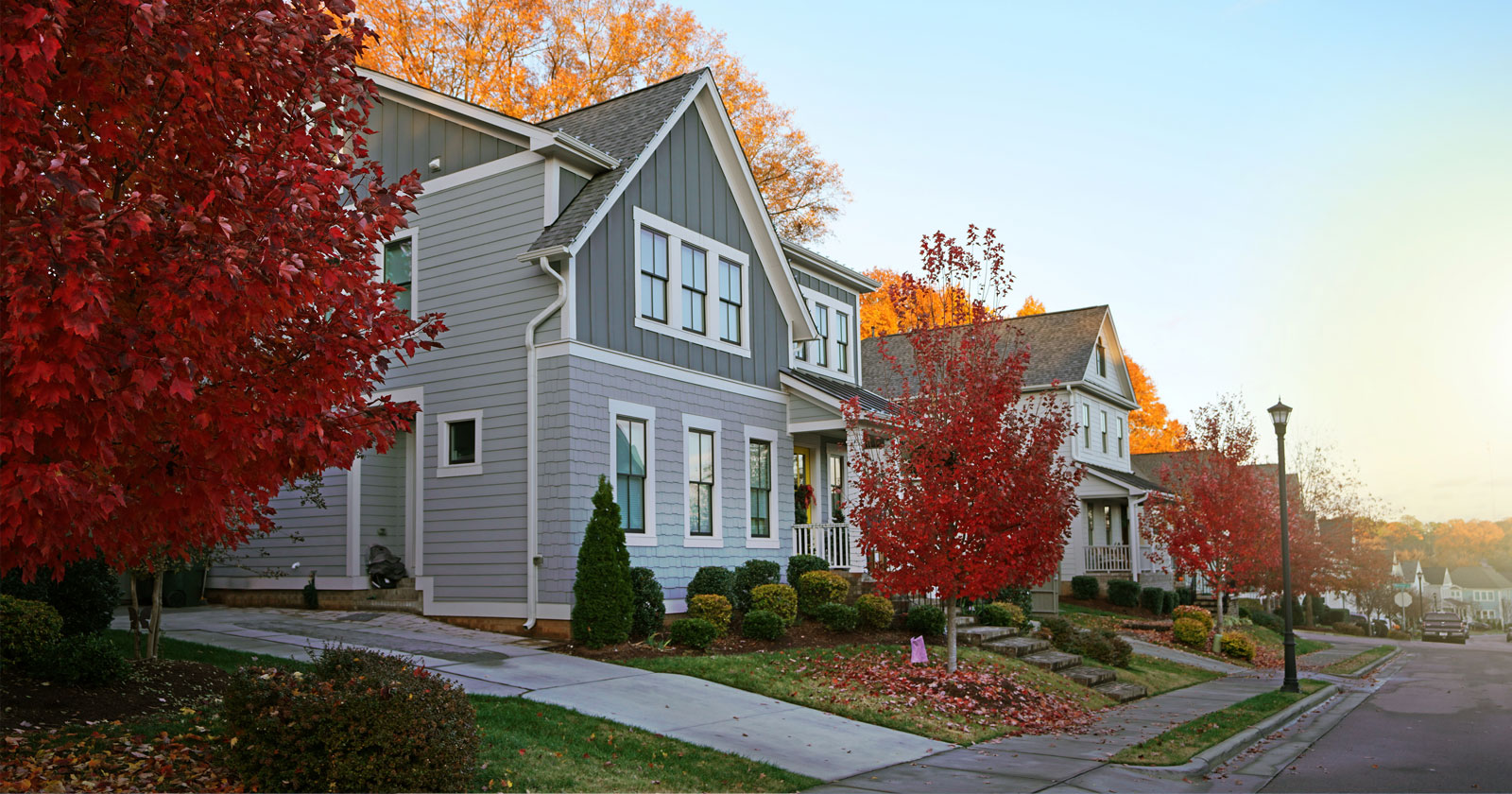
Table of contents Top 5 Places to Invest on the East Coast Rent or…
Table of contents Is it Better to Build New Construction or Renovate Existing Homes?…
