

Why Some Investors Still Bet on Starter Homes—and What You Can Learn
Share the post:
Share the post:
In the fast-paced, competitive, and highly profitable world of real estate investing, starter homes are often a less enticing–and less profitable—investment option. Instead, investors are lured in and tempted to chase the large-scale, higher-margin investment opportunities (luxury builds, multi-unit developments, etc.). However, affordable starter homes, whether new construction starter homes or rehab projects, can play a pivotal role in the growth and success of new investors.
From lower costs to fewer risks, buying starter homes can be the most sustainable and advantageous way for beginners to enter the market. In this article, we’ll break down what a starter home is and why some investors still bet on and leverage them to win in today’s markets.
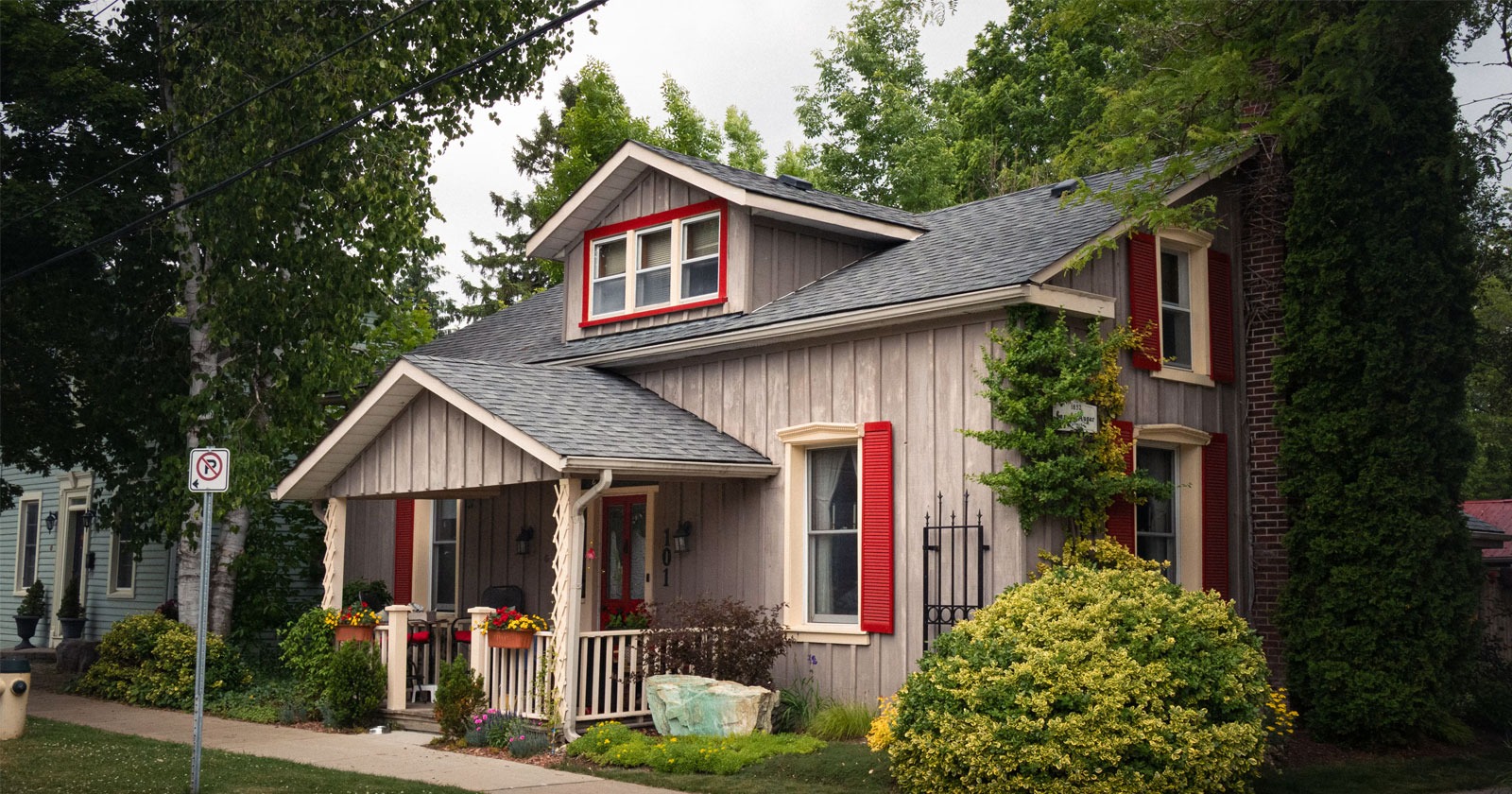
A starter home is a smaller, often more affordable house designed for first-time homebuyers. For consumers, these homes are often a stepping stone to their larger “forever homes.” For investors, these beginner houses are a bridge to larger investment opportunities.
Some of the key characteristics of starter homes include:
While garnering less ROI, affordable starter homes provide a plethora of investment advantages for real estate beginners, including:
Investment beginners often have a smaller budget to work with, making the affordability of these properties alluring.
Starter homes come with:
More importantly, with less money tied into the purchase of a starter home, there are fewer risks. Every new investor makes mistakes or runs into unforeseen challenges, whether it’s underestimating costs, overlooking hidden damages, or running past deadlines. With lower costs, investors can get hands-on experience rehabbing a starter home while maintaining the capacity to navigate and absorb mistakes or budget overruns.
As mentioned, starter homes for sale often come without luxury, with standard kitchens and bathrooms, modest layouts, and simple floor plans. While the lack of uniqueness can hinder overall value, it simplifies the scope of work for investors. If you’re new to rehabbing or building houses for profit, a simplified, smaller floor plan with less costly construction and finishing costs gives you the flexibility to learn as you go. Additionally, the freedom and knowledge gained through these projects will help investors improve their operations and avoid money pitfalls in the future on larger projects.
For novice, budget-conscious investors looking to grow, starter homes provide a quick project completion timeline. While the average fix and flip project can take between 4 to 6 months, starter home rehabs are typically completed within 2 to 4 months.
Similarly, new build starter homes take on average 4 to 6 months to complete, which, in the real estate world, is significantly shorter than regular home construction projects that last between 7 to 14 months on average.
These shorter timelines help investors:
With housing affordability at an all-time low and an ongoing inventory shortage, investors are constantly looking to meet consumer demands with new construction investments. Whether building or rehabbing a starter home for rent or sale, consumers are craving the below-market prices that beginner houses provide.
For investors, this heightened demand translates to seamless exit opportunities, higher rental demands, and steady home appreciation year-over-year.
Real estate lenders value experience and success. While private lenders, like Finance of America Commercial, provide fix and flip rehabilitation lending options to investment newcomers, there are more requirements for funding new build projects.
New construction financing often requires a proven track record of successful home flips. With less costs, faster timelines, and more manageable scopes of work, investors can complete one to several starter home projects within a year to gain the necessary experience. A successful track record with starter projects and financial backing from a reliable capital provider can springboard investors into more profitable investment endeavors–and fast!
With a larger target pool (first-time homebuyers, young families, renters, other investors), lower costs, and fewer risks, financing is often easier to obtain for starter home projects. By working closely with a lender, investors not only gain the funding needed to get started, but they can also build a strong professional relationship that helps open doors to better opportunities down the road.
A $30,000 profit on a starter home might not seem as appealing as $100,000 returns on a luxury new build. However, chances are the starter home project will be completed in a fraction of the time, with fewer headaches and less upfront costs. Additionally, the project will instill a wealth of knowledge and growth into the minds of real estate investment beginners.
With each starter home project, newcomers gain a deeper understanding of the investment market, as well as confidence, and the skills and resources to continue scaling. That is why so many continue to bet on and leverage starter homes to win in today’s markets.
For over a decade, FACo has been helping investors of all experience levels grow and succeed in today’s real estate landscape. Our team of industry experts, along with our reliable, fast, and flexible financing options, equips investors with the knowledge, tools, and capital necessary to outpace the competition and capitalize on the latest opportunities.
FACo’s Fix and Flip and Construction Loans provide investors with:
If you’re an investment beginner or looking to scale through starter home projects, let the knowledgeable team at FACo help guide you to real estate success. CLICK HERE to schedule a FREE consultation with a FACo team member today.
A starter home is a smaller, typically more affordable residential property designed for first-time homebuyers. These homes generally feature modest floor plans, fewer amenities, and lower purchase prices than larger properties in the same market. For real estate investors, starter homes can offer accessible opportunities for fix and flip projects, rental investments, and ground-up construction.
Starter homes can be an attractive investment option for beginners because they often require less upfront capital and involve more manageable renovation or construction projects. Their smaller size and simpler layouts can help investors control expenses, gain hands-on experience, and develop essential project management skills. However, profitability still depends on acquisition costs, market demand, financing, and project execution.
Investing in starter homes offers several potential advantages, including lower acquisition costs, simpler renovation requirements, shorter project timelines, and demand from budget-conscious homebuyers. These properties can also help new investors build experience while limiting their financial exposure compared to larger projects. Successful starter home investments may provide a foundation for expanding into more complex real estate opportunities.
The cost of renovating a starter home depends on the property's size, condition, location, and required improvements. Cosmetic upgrades such as painting, flooring, and kitchen updates typically cost less than major structural repairs or complete renovations. Investors should develop a detailed scope of work, obtain contractor estimates, and include contingency funds to account for unexpected expenses.
Starter home renovations may take approximately 2–4 months, depending on the scope of work, contractor availability, permitting requirements, and property condition. Smaller homes with straightforward improvements can sometimes be completed faster than larger renovation projects. Investors should also account for acquisition, inspections, marketing, and resale timelines when estimating their total investment period.
The decision to flip or rent a starter home depends on an investor's financial goals, local housing demand, and expected returns. Flipping may generate a shorter-term profit through renovation and resale, while renting can provide recurring income and potential long-term appreciation. Investors should compare renovation expenses, resale values, rental income, financing costs, and ongoing property management responsibilities before choosing a strategy.
Yes, first-time real estate investors may qualify for financing to purchase and renovate starter homes. Specialized lenders such as FACo offer Fix and Flip loan programs designed to support eligible investors, including newcomers. Ground-up construction financing may have additional experience and qualification requirements. Working with an experienced lender can help investors evaluate available loan options and determine the financing that best supports their project.
FACo offers Fix and Flip and Ground-Up Construction loan programs designed to help investors acquire, renovate, or build residential properties. Available financing features include flexible loan terms, up to 100% of eligible rehabilitation or construction costs, and Snap Draws DIY for streamlined mobile draw requests. These solutions can help qualified investors manage project funding and pursue opportunities in the starter home market.
Authored by Bianca Montalvo
SEO copywriter and strategist
This content is for informational purposes only and should not be construed as investment or legal advice. Neither the author of this content nor Roc360 assumes any liability for actions taken or not taken based on information contained herein. Investments involve risk, including potential loss of principal. You should consult a qualified professional before making financial decisions.

Table of contents Rent vs. Sell Calculator Weighing the Pros & Cons of Renting…
Table of contents Top 5 Places to Invest on the East Coast Rent or…
Table of contents Is it Better to Build New Construction or Renovate Existing Homes?…
