Lending Lab | Real Estate Investing & Financing
0:04
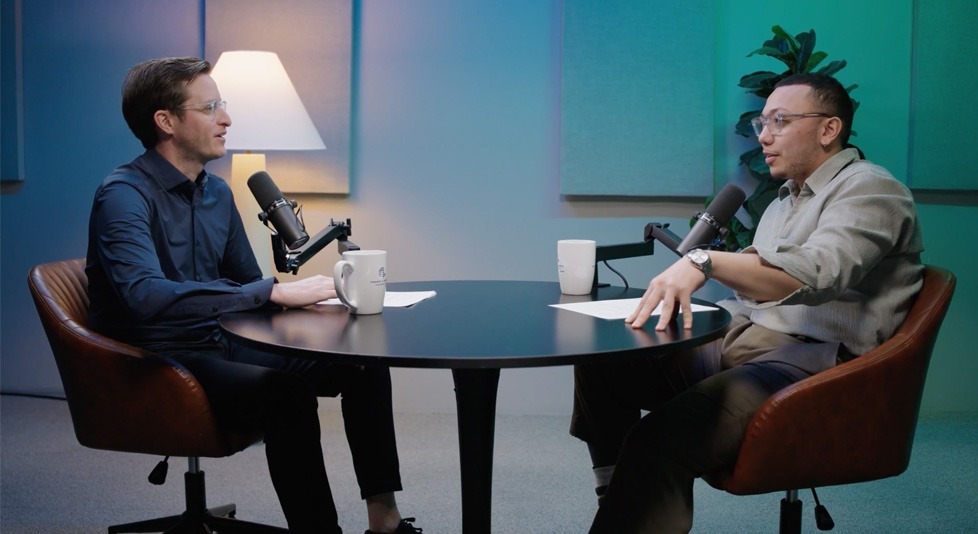
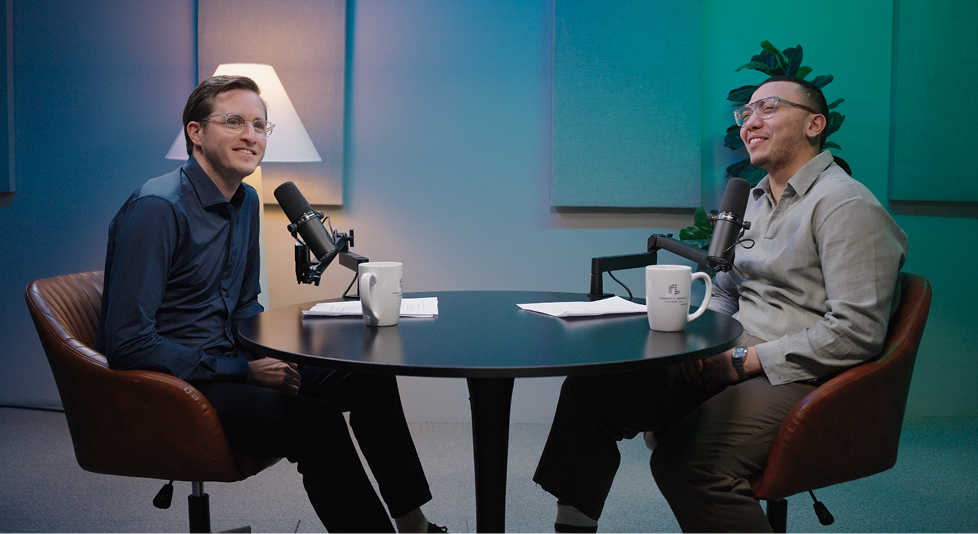
Welcome to Lending Lab everybody. Welcome back. So once again, my name is Trevor Javier Burns. I am a vice president, account executive over here at Finance of America Commercial. This is my colleague, the man who’s trained me, the legend. This is Blake Orman. And this is Lending Lab, and we are here to talk all things real estate. This is your one-stop shop to not only learn the ins and outs of the business, kind of
0:29
figure out what is financing, understand financing, understand how a real estate transaction works, what are the plays that you can use it, why is real estate such an important investment in today’s age. This episode is all about just real estate altogether. Beautiful. Beautiful. Thank you for the introduction, Trevor. Um, it’s been a great experience so far starting this podcast, Lending Lab. And we truly appreciate everyone for
0:54
joining. And um, we hope you learned something today. Yeah, that’s that’s the whole point is to learn, teach, and then do. Yeah, that’s it. That’s the name of the game. Rinse and repeat, right? Rinse and repeat. See one, do one, teach one.
Driving for Dollars & Finding Real Estate Deals
Driving for Dollars & Finding Real Estate Deals
1:08
So you you see somebody in your local neighborhood, you see them do a rehab property, like you drive past, you see a sign on the front of the house. You were driving for dollars is what you’re saying. Drive for dollars. I’ve done this personally. I’ve some of my clients have done this. How often are you driving for dollars these days? I try to do it at least once a week. Okay. Cuz when in real estate is such an important business to be in front of people. It’s a tangible asset. We’ve talked about this on many calls in the past.
1:33
Real estate is an asset that you can see and that you can touch and you can feel. And year over year those assets do appreciate. Um so when you go and see it, I I personally um truly in get inspired. Um, I like to see what designs that the uh developers pick. Um, what what you know, what ins and outs they did to get this project done faster, how they’re um designing this specific project and how it differs from their last project. And I think that’s one of the beauties to
1:58
see the fruits of our labor, the fruits of our capital go to work. That’s that’s the whole beauty of it. You get to know the person you’re speaking to almost every week. You get to know who they are on a deeper level. And then that’s the whole purpose of what we do at Facco is kind of build those personal relationships that kind of last a lifetime. That’s that’s the truth. That’s the truth and and that’s the beauty of the business. Um you know Trevor and I just uh a couple weeks ago went driving around u couple properties in New Jersey
2:25
and it was nice to see um you know what, you know, the project looked like from before and what it looks like to today. Um a couple of these projects were midstream, a couple of these projects were completed. It’s nice to, you know, get a lunch with with your investors once in a while. If you’re tuned in, thank you guys for joining and thank you guys for giving us the tour of your projects. So, let’s dig into uh today’s episode specifically. We’re going to be talking about some states that we lend in um and that we know we’ve done deals in in the past, you and I, myself and um us
2:51
as a company as well. And so, as we stated before, we’re a national lender here based in the USA. And with the USA, there are some states that are not touching the exact border that we all are on one collective piece of land. We have one that we’re going to talk about right now. This one hits home, right? This one hits home. So Blake, let me ask
Hawaii Real Estate Investing Opportunities
3:14
you a question. When you think of the state Hawaii, what what are the first four words that come up to your mind? Four. I’m gonna say Aloha, Coastal, Vacation, and um Pokeball. Pokeball. How about you? I would I would say all of those, but I
3:39
would include a lot of tourism. Mhm. When we’re talking about Hawaii, we got a lot of people coming from out of state. Uh they’re just living there. um you know they’re they’re on vacation there or or they’re just you know they’re actually considering moving there. You’re seeing a little bit of both. So yeah, it’s a little bit of both. There’s there’s ongoing people who want to move there. Maybe they want to retire there. There’s a lot of people on on these islands in Hawaii. They like to
DSCR Loans in Hawaii & Rental Demand
DSCR Loans in Hawaii & Rental Demand
4:04
True. So let’s talk a little bit about let let’s dive right into DSCR loans in in Hawaii. Yeah. So, we have um a bunch of islands um in Hawaii and we when we talk about DSCR loans, 38% of uh people in in Hawaii actually are renters themselves. True. So, um so that brings up strong rental demand for us. Strong rental demand and that’s coming from tourism as well. People who visit, they do want to be uh living there. And
4:31
um we’re also seeing um that that rental the strong rental demand from the remote work um push. So we have the we have the remote work, we have the tourism side. We also have a military base over there that’s very close to Asia. So we have the military families also looking to rent, looking to buy their own homes as well, cuz they’re only going to be there for a short time. They might be there for one, two years. They’re going to rent a place before they go back to where they came from. Exactly. And then on top of all that,
4:58
there are a good amount of colleges over there. It’s a it’s a pretty hot college destination. Yeah. So there are students who are not
How DSCR Loans Work for Rental Properties
5:04
necessarily looking to buy a home, but they’re looking to rent. Right. So then in that case, that’s where the DSCR product would come in. Um, we could provide DSCR financing on a purchase or on a refi to an investor based in Hawaii. Um, up to 80% of their purchase price and 75% on a refi. Mhm. So with with all that being said, when we’re talking about DSCR, if you if you’re first time watching, you’ve never heard of a DSCR loan. It stands for debt
5:31
service coverage ratio. You just want your monthly rental income to cover the expenses of the property. basically saying cover the mortgage expense and then walk away with a little extra cash in your pocket every month. Yeah. So, is that deal profitable? Is is the deal making you money? Um, you know, that’s when you want to know that um you know, the income covers the expenses and um you know, you after you pay all those expenses, you’ll be walking away with a bit of income every single month. So,
5:57
that’s how you know that you know this deal is actually cash flowing in a positive direction. Yeah. And that’s and when we’re talking about DSCR, there’s we want to see rent ready properties, properties that people want to live in. Correct. So, we don’t want to see like holes in the wall. We don’t want to see cracks in the ceiling like cuz renters wouldn’t want to see that. You want I mean, if you were yourself looking to move to Hawaii and you saw a house, I mean, do you want you want something that is um considered livable
What Makes a Property DSCR Eligible?
6:22
or or something that you know is missing air conditioning or something that’s missing a roof? Um, you know, obviously you need some of these basic things and something that’s livable right now to make this house livable for you. And that would be the same way for us. We we want to make DSCR loans on houses that are livable and moving ready today.
Hawaii Real Estate: Coastal vs. Inland Property Values
6:38
Exactly. And so when we’re talking about kind of like the overall market of Hawaii and the islands, we’re talking about Maui, Honolulu. So, when we’re talking about real estate in general, in major cities, the center of the city is usually where the hottest houses are and the hottest properties are. Those where the highest values are. In Hawaii, it’s kind of the inverse a little bit. So, it’s not that
7:03
the inland properties are not valuable. They’re just not as valuable as the coastal property. So, it’s kind of, let’s say, if you’re looking at New York City or like a Chicago city, when you go deeper into the city, the values are kind of higher. When you’re in Hawaii, when you’re in more of like a a beach area, the values of the properties are kind of higher on the coastal side. That’s for sure. That’s for sure. I mean, I think that kind of makes sense
7:28
and that goes with the general sentiment that if you’re living in a beautiful place like Hawaii, um that’s islands and surrounded by uh volcanoes and surrounded by ocean and uh beautiful forests and all that type of stuff. you want to be closer to the ocean and uh and be closer to the coast versus being inland toward the city. So, it’s kind of like an urban economics 101 type lesson that you know we’ve seen real estate values that have higher ARVs and higher
7:55
values um around the coast um closer to the ocean looking at the water versus being more urban closer to the city center uh as you would potentially call it main block. Yeah, exactly. you know, when we’re talking about like these high destinations for or the high ARVs, these high values for rental properties, all this, and we want it to be rent ready, we want it to be freshly rehabed.
Ground-Up Construction Opportunities in Hawaii
Ground-Up Construction Opportunities in Hawaii
8:17
We with with islands like this in Hawaii, there are a lot of uninhabited land that where we see a majority of our business come from as well. So, we have we have a great opportunity for ground up construction because there’s a bunch of empty lots with just forest on there, just trees and bushes that need housing, right? So, there’s, you know, there are areas that are even more urban um than
Hawaii Construction Costs & Project Budgets
8:42
and than coastal when we’re looking in Hawaii that do need new builds on it. Um, and we’re seeing a lot of those deals come in where, you know, the purchase price of the land is quite reasonable. call it anywhere from 40 to $80,000 to pick up a piece of land in Hawaii. Um and then um you know build budgets between 150 and 200 and and these build budgets can vary especially over the last year with a lot of the the economic things that we’ve
9:08
been going through over with the US tariffs importing materials. Budgets have been going up. Budgets have budget going up. We’ve been seeing that through inflation as well. Uh the cost of materials are going up. It’s also a little bit more difficult and sometimes to get the materials from the mainland to Hawaii. um which does create a little bit of a friction on the budget making that a little bit more expensive on some of the the pieces and on the materials in the budget. Um and that also can
9:33
cause delays with completing the budget in that 12-month turn time. And these are what investors should be looking out for when looking to invest in Hawaii if they are local to the land or if they are looking to move there and also invest in there. These are things these are items to take into consideration when investing over there. So, it’s a strong rental demand market. The your scope of work budget, it might be a little bit higher than what you estimated it out to be when you first
9:59
started. You just want to be able to a good investor always manages for the worst to happen just in case. You want to build in that cushion to your budget.
Construction Budgets, Contingencies & Investment Risk
10:08
You want to build in that 10% contingency, potentially even 15% in case there are delays or there are uh material costs that go up over the course of your construction project. And that’s even more important in Hawaii than some other states because it is not on the mainland of the US. Um, exactly. So you guys, um, you know, we’d love to take a look at, you know, your next opportunity in Hawaii. Um, you know, we’ve, Trevor and I have been picking up a lot more business there,
10:33
um, over the past 12 to 18 months. Um, Trevor and I have completed several transactions in Hawaii. Um, so you do see a lot of different characteristics. Um, we do see in some cases when people are doing flips, a lot of these homes are unrenovated. Yep. Um they’re they’re built before 1950. Um so these are older homes. Um some of these are you know some of these are almost 50 60 70 years old which are in need of renovations. But in those more urban areas like
10:59
closer to the capital in Honolulu those are higher purchase prices but they also attract higher ARVs. So in that case we do see some more seasoned investors who are picking up these properties um and less first- timers um in in those um in those more urban areas with the higher purchase prices. It’s the same thing we we spoke about in like a New York City, New Jersey. You don’t want to start right here in the big the big million-dollar deals.
11:24
And Hawaii is slowly becoming like that as well. So, just take those into considerations when you’re looking to invest in a new state. And this is not just for Hawaii. This is state by state. You want to figure out your market, know the exact markets you’re getting into, right? And then not, you don’t want to be flipped upside down in the middle of a project. And the other thing is that, you know, because there are these islands are so spaced out. Um, we, you know, it’s it’s good to be flipping and
11:50
renovating and building in areas that you live in. Um, you don’t want to be hopping island to island just to get to your projects. And that is a thing. Um, you know, that has happened before, but I’ve talked to investors out there and that does become a, you know, an area of friction in their business because it makes it more difficult to see every project. Like for example, we were just in New Jersey at the project and these guys go to their projects every single day. Um,
Managing Hawaii Investment Properties
12:11
but if you’re not on the island where where your project is, it’s going to be more difficult to get to that project every single day. Exactly. You’re having to fly from different island to different island or you could have a property manager or a general contractor, but then you don’t have eyes on them. You don’t know exactly what the work they’re doing day by day is, right? So, being able to have the boots on the ground on the property is very important. And then same thing for DSCR. You want to make sure your tenants are paying. You want to be completely out of
12:37
the loop. You don’t want to be on the property every day. uh for DSCR because you want to kind of stay out of their out of the tenants’s hair. You if you’re there, you’re going there to fix a problem. You’re going there to fix an issue. So, you want to be within stones throw of the property. When I say stones throw, like on the same island. Um so, you want to be able to be there to to fix repairs, to go out to the property, um deal with property management, uh tenant turnover, all that stuff. But you don’t need to be, you
13:02
know, directly as close as you would need to be for those flips that you should be going to every single day, making sure that the work is getting done, the tiles getting installed, the appliances are getting delivered, and all the different uh parts of the project is actually moving in a positive direction. Exactly. So, let’s let’s kind of move it
Ground-Up Construction Loans & 90% LTC Financing
13:17
a little bit to like what’s your what’s your most common loan product or what’s your most common request when you’re talking to investor in Hawaii? For me, it’s been ground up. Um they’ve, you know, my uh my most common has been ground up. Um they’ve been loving our 90 LTC product. Um which is really great. Um when you can do a 90 LTL, 90 loan to cost of the total budget, um funded
13:42
through the loan. In this case, the borrower has 10% of his own skin in the game. We finance 90% of the total project cost, and we also take a six-month interest reserve with that. Um, in this case, um, these are typically a 12- 18month loan term, and we’re seeing, um, ARVs between 300 and 400,000 on these groundup loans. So, that’s what I’m seeing the most of, um, when I look at and when I see loans in Hawaii, um, primarily because there is a need for
14:08
new development and a need for new housing and this specific investors being able to pick up land for pretty pretty reasonable. Um, so this guy has started up with one, two groundups under his belt. He’s now done 10. Um, so he’s now become a more seasoned investor. He’s got his own crew. He has his own team. Um, you know, but he’s really a oneman show. Um, when it comes to the financing side, but when it comes to building, he does have a team and he has a GC license and he’s
14:33
got all his builders tied to, you know, all of his subcontractors tied to him who help him complete the project. Nice. So, he’s kind of a big shot over there on the He’s becoming a big shot. People call him for help. Uh, you know, people um, you know, he’s got referrals. He’s got a big network out there. So all that, you know, put together really does make him, you know, you know, a very seasoned developer. We’d call them a tier five. There we go. How about you?
Hawaii Rental Property & DSCR Investment Strategy
14:57
Me, I’m seeing a lot of rental demand over there. You’re seeing rental. I’m seeing a lot of rentals. I’m seeing a lot of these groundups being built, a lot of these new houses being rented. Mhm. And then I’m seeing all these college students that are going to school and they need houses to live in. They don’t want to dorm their whole their whole college experience. Right. So, one of my one of my best clients, she owns properties all over the US, but she decided to finally take
15:22
a swing on hitting Honolulu. She’s never done a property over there, and she finally bought a rental property over there, and now it’s generating over $15,000 in rental income a month. Wow. So, the rents are pretty high out there. The rents are pretty high. She was able to get the renter to pay 15,000. The market rents around 12,5. So the renter’s paying above market. The renter’s paying above market, but she’s also covering utilities. She’s
15:47
covering electricity. There are certain things when it comes to lease agreements that she was able to negotiate. That’s good. So I said afterwards, as long as you find another tenant to pay high rents as well, we’re keeping it going. And what was the purchase price of that house? That was around 2.2 three. So that was a that was a big purchase price, too. So, this is part of that city center area where we do see higher purchase prices for rent ready
16:12
properties. Exactly. It had a coastal view. It was on a was it was not too far from the beach. It was in a great market. So, when we’re talking about Hawaii, it’s all about the destination of where you’re looking to buy. M and then you know as things happen time appreciates or time goes on properties appreciate other islands other other parts of these islands are going to be a little bit more valuable as well. So
16:38
these properties in Hawaii we’ve seen these do appreciate year-over-year. So when you know we are funding these loans we we’re making a safe investment and you know we’re putting our capital towards these properties that we’ve you know we’ve seen appreciate year-over-year. So, I think that’s a really important piece to know um when especially for on the investor side um that they’re making a good investment with that with that buy as well. Exactly. Cuz there’s there is a limited supply as of right now to housing in
17:03
Hawaii and but the desiraability to grow is there cuz Hawaii’s kind of in the middle of Asia and Australia as well as the US. So there’s kind of a global presence that Hawaii has being right there in the middle of the ocean, right? So there is desiraability to not only have a second home over there but to also want to just visit and maybe live there for a year like we said remote work. Remote work. Yeah. So people are going
17:30
off the grid for a little bit. You know a lot of companies have made their inoff policy a little bit more flexible post pandemic. um I want to say in the last five years I want to say that is dying down a little bit but there are a lot of companies out there that have the uh flexible policy whether it’s one month in one month out or two weeks in two weeks out um with that flexible remote policy Hawaii has did you know Hawaii is
17:55
one of those places in in the US that has seen a surge in um in rental demand
DSCR Loans vs. Traditional Bank Financing
18:00
um due to this remote work so that is really nice for the DSCR product for people to use that product and put rent uh tenants in there um and you know get a loan based on the income of the property versus the income of the borrower and the income of the um the LLC that takes out the loan. I think that’s the beauty of DSCR loans that that’s not Hawaii specific, but that’s the you know that’s the nationwide um specific of the DSCR loans. It’s it’s the the feature
18:25
the feature we’re making the loan on the asset. We’re not necessarily making the loan based on their the borrower’s debt to income ratio if they’re buying their personal home. And that’s one of the best uh benefits of working with FACO versus working with a regular bank. Uh working with a regular bank, you might get a lot less leverage. Um you might not get as much um as much and you’re going to um also get ask for way more paperwork. True. Um, but when you work with FACO on a DSCR loan, you know,
18:50
we’re going to be underwriting to the income and the expense of the property, and we’re not going to be underwriting to the um, you know, the income of the borrower, and and you know, that’s not going to qualify how much that borrower, him or her could actually borrow on that loan. Um, we’re going to be taking those expenses and the income that the rent is actually generating um, and creating a max loan from those percentages.
Real Estate Comps, ARV & Property Valuation
19:11
Exactly. So, let’s kind of break down how these values of the of the properties in Hawaii have kind of grown year-over-year. So, let’s kind of break that down on how comps work a little bit. I think this is kind helps not only the investors in Hawaii, but also our investors all over the country. True. So, when you’re building these new homes in Hawaii, you’re building um you know, you’re building real estate that didn’t exist before. Um and there is that need for newer builds and newer
19:36
housing. So when you have all these new homes in a zip code, you’re setting a market that didn’t exist before. So pre previously, you know, these homes that were trading, maybe they were fix and flips, new renovations, they were trading at 200, 225 in the zip code. You you put a new construction, it’s setting a record. Now these homes can trade at 280, 290 because of that new build. And you know, you have you have that product that everybody wants, moving ready, um,
20:01
fresh finishes, all new tile and bathrooms, and this client can now buy this house for 275,30, and that’s now setting a market for the rest of the zip code. Now, the flips can all appreciate, and all the new builds can now price towards that number. Exactly. So, that if you guys didn’t actually understand what that Blake meant, what Blake meant right there, that he was talking about what a comp is, what a comparable sale is. So, when we’re talking groundup construction
20:26
versus a fix and flip, you can’t necessarily compare apples to apples. You can compare very similar conditions, right? So, you either trade down for you when you compare a flip to a new build, you can price the the new build to the flip and value down a little bit. Um, that’s, you know, we see that in appraisals all the time. True. Um, so either, you know, you got to, if there aren’t comps, typically new builds are being compared with new builds and new renovated flips are being compared with new renovated flips. You know, we
20:52
call that C1 being new build, C2 being newly renovated. Um, so either you can adjust up or adjust down to compare a new build to a a newly renovated flip or vice versa. And so with time, year over year, time over time, with these more sales happening, these are increasing the values of the property year over year, allowing for people to keep wanting to invest in Hawaii or in their specific market. Exactly.
21:17
Because the values are keep increasing year over year. year-over-year. And so that’s what makes these strong rental demand, these strong RTO or what we like to call sales prices, flip, all of these things very attractive for an investor looking for either to start in the game or just to look for a new market to try to switch it up. If they’re tired of one state, they’ll go to and it’s not working, they’ll go to a
21:43
new state and see what that what they
Hawaii Real Estate Investing: Risks & Key Takeaways
Hawaii Real Estate Investing: Risks & Key Takeaways
21:45
Yeah. I mean, I would recommend that you live close to the island that you’re that you’re investing in. Um, as well as, um, you know, if your first flip is going to be in Hawaii, um, I would try to consult someone who is has more experience in that area and has a little bit more, um, you know, has done flips, has rentals, has sold homes as a realtor, maybe appraisers out there to give you some sort of way of the land. Y um because, you know, we always
22:10
recommend don’t bite off more than you can chew and don’t get into a project that is going to require more work than you actually really thought. Exactly. So that that kind of explains a lot of what we’re doing in Hawaii. When we’re talking about Hawaii, we’re talking about these bigger constructions. Everybody thinks the beach, they think vacation, but there’s there’s a whole society over there. There’s there’s community that’s part of the USA. People forget about that
22:36
because it’s not attached to the mainland, right? But it is one of the 50 states and it is a very beautiful state. And what’s one of the biggest challenges that you’ve run into when you’re looking at a loan in Hawaii, whether it be Flakes and Flip Bridge, DSCR, and trying to analyze it, see if it’s going to be a good fit for us? It’s it’s honestly about the location and these values values. So, like we said before, the values are better closer to the water, right, rather than inland. But sometimes they
23:02
people get it misconstrued and they go back they’ll say, “Oh, my value is just as equivalent is just is equal to the one that just sold close to the water.” So, when we’re talking about um uh Hawaii as a whole, um I think it’s important just to talk about the um the scarcity of the land um and that, you know, when people are looking at flips, one of the challenges that I’ve come up
23:27
that I’ve run into is that, you know, this property is coming up as rural when it’s actually urban or suburban. So, um you know, it’s important to know the characteristics and the population metrics of that zip code. Um so, it’s important to, you know, build relationship with appraisers, um seeing if that property is actually rural, is it suburban? So have that conversation um with a local appraiser, an expert in the area before you, you know, get into contract just to confirm that it, you know, it does have that demand for
23:52
rental or exit as a sale once you’re done with the flip. Yeah. Learn that market. Know the know the market. Know the know the people in there. Know these resources. Everybody wants to help each other. Everybody wants to get these values higher, right? So learn the market that you’re in. Doesn’t matter if it’s Hawaii, New York, New Jersey, Connecticut, anywhere. just know your market and learn and be be hungry to get out there and buy some properties. Of course, Finance of
24:18
America Commercial is here to assist you guys with anything. All loans needed. We remember your we’re your one-stop shop. Everything is internal based now. Our closings are internals, our appraisals are internal, our insurance reviews are are internal. Just speeding up the process. So, if you guys want to get to a closing in one to two weeks, that’s where me and Blake can kind of help you guys fit right in. Yeah. Give us a call and we’re happy to act as a resource as you’re analyzing
24:44
new properties. We’ll be happy to discuss whatever project you’re looking at, see if it’s a good fit for for us and for you. Um, you know, honest feedback is the most important way to do it. So, we’ll let you know if it’s a good fit for us. Um, which will help you analyze if it’s a good fit for yourself as an investment, too. Mhm. And with that, we will wrap up here. This was a a great episode. Mahalo. Mahalo. If you guys have any questions at all,
25:09
feel free to reach us out in our email or our phone numbers. Give us a call. Once again, my name is Trevor Javier Burns. This is my colleague, my mentor. This is Blake Orman. We are Finance of America Commercial and this is Lending Lab. Thank you guys. Thank you for **joining Lending Lab.**