Lending Lab | Northeast Real Estate Investing & Financing
0:03
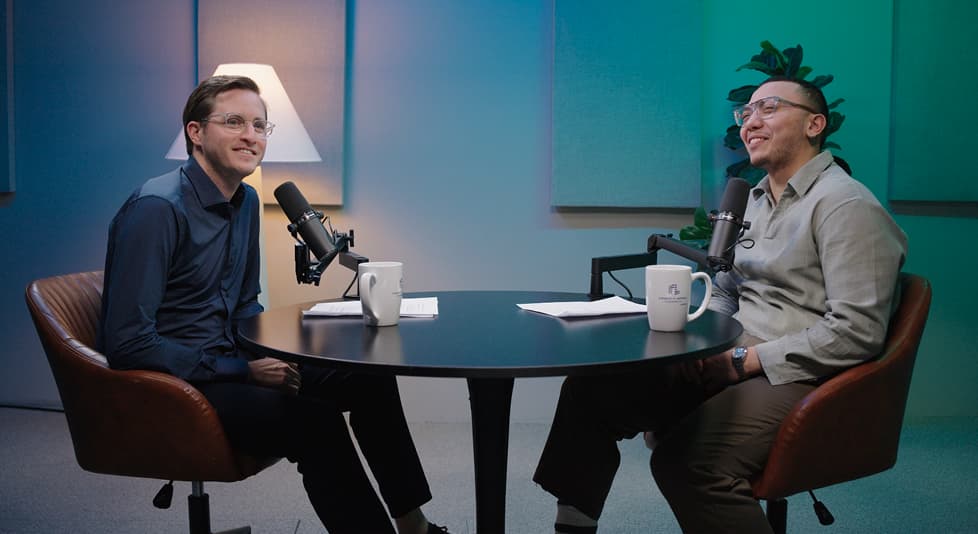
Welcome everybody to Finance of America or FACo Lending Lab. My name is Trevor Javier-Burns. If you guys don’t know me, I’m an account executive over here. This is my colleague,
0:11
my mentor. This is Blake Orman. Thank you guys for joining. This is FACo’s Lending Lab Live. And what
0:17
is the whole purpose of this webinar? We started this back in early or late 2025. So, what is the
0:23
whole purpose of what we’re trying to do here, Blake? So, for all the new uh faces on this call,
0:28
we really appreciate you guys for joining our podcast today, our webinar. Um, if you’ve been
0:34
here before, welcome back. Um, we hope that this webinar inspires you to get into your first flip
0:41
or go out and find that next deal. Um, 2026 is the year of opportunity. Um, we’ve seen a lot
0:47
of market movements that we’re going to be hitting on today. Uh, we’re talking about deals coming in,
0:52
uh, deals falling out of contract. Uh properties are sometimes taking longer to sell than expected and we’re going to be talking about all that ups and downs of the business. We’re also going to
1:01
be talking a little bit about our a little bit of our stories and how we got into the business. Sure. And then we’re also going to talk about some markets that we specifically like and
1:09
some of our one of our favorite markets is our own backyard. Like like I mentioned in the beginning, we’re we’re from New York. Yep. And right across the the river is New Jersey.
Why New York & New Jersey Are Strong Fix-and-Flip Markets
1:18
And so kind of breaking down how do we look at the Northeast region? Like what are we looking at when we’re talking about fix and flips before we even talk about what a fix and flip is. So when we look
1:27
at these markets as a whole, New York, New Jersey, uh we think about the housing stock in in uh
1:33
these two states. 50% of the housing stock in these two states were built before 1980,
1:39
meaning that they are in some cases distressed, unrenovated, and um with, you know,
1:46
with the properties to have potential profit once they do become renovated. Exactly. And there’s there’s like a sort of historical aspect to it when we’re talking about the northeast region
1:55
a little bit. Definitely. So we’re talking about these houses that have built built like you said before 1980. Yeah. So even sometimes as early as 1800 or — hundreds of years old these
2:04
properties — hundreds of years old. Long-term ownership and sellers are still you know working
2:09
on you know what their number is that they want to sell, if they do want to sell, or do they want to renovate themselves renovate it themselves and become a you know a real estate developer
2:18
right then and there. Mhm. So, this kind of is the gateway for a lot of families to reach into
2:24
what real estate has to offer. Sure. And becoming a side hustle to ultimately somebody’s main job,
2:30
main career. A lot of times people become a real estate investor by picking up their own personal residence and turning that into a res investment property. True. Which is totally fine.
2:40
Um, if you can start building an income and and building um some revenue off of flipping your own home and built and turning that profit into your next investment opportunity, you just became a
2:49
real estate investor overnight because you didn’t realize what you already had is actually gold.
2:54
Is actually what you need to keep going. Cause real estate, like we’ve said in the past before, real estate’s never going to go out of business. There’s always more real
3:04
estate to grab. There’s only so much, there’s there’s so much finite real estate we can grab that the business is always going to evolve and prices are always going to increase. Right.
3:12
Correct. So, we’re talking about a um amount of real estate that’s unrenovated that needs to be
3:18
renovated and and brought up to the modern stages of today. Um we’re also talking about a limited
3:24
supply of real estate. Limited. Um so we’re when we look at New York specifically um we
3:29
see a lot of those one to four unit brownstones. We see old old unrennovated um properties and we
Understanding ARV & Fix-and-Flip Profit Potential
3:35
also see higher ARVs. We didn’t touch up on on the higher ARVs in New York specifically. And so if you don’t know what an ARV is everybody, that’s what you guys can sell the property as the
3:44
after repair value. So kind of break down that a little bit more for the people that are just joining us. So we have a value of the property today, um what it could be worth right now
3:52
unrenovated. Um and you have a a vision in your mind of how much money this really needs in order
3:58
to renovate that property. Um anywhere from 10 20,000 to a million dollars. Um is it a tear
4:05
down in a new build or is it a cosmetic fix and flip? Um so when we see higher ARVs um you know
4:12
throughout New York um that is typically when you spend more money on the renovation to create more
4:18
value and get a higher ARV. So ARV does stand for after repair value. It’s also the expected
4:25
sales price once renovated. So that’s the the premise of ARV here in New York and that’s how we’re measuring our numbers for how much profit they can do when they sell the property. So how
4:34
much profit is there in the specific transaction um for the investor. Exactly. For the lender,
4:41
for the contractor, for all the parties involved, even for the realtor. Um because when you when you take an ARV and you back out all the other expenses that are involved, your cost basis, all
4:50
your renovation expenses, whatever’s left actually goes back to that investor as their profit on the deal that they can use and invest into another property. And that’s how they create that rinse
4:59
and repeat strategy like we’ve mentioned before. Correct. So with the deep ARVs in New York,
5:06
aging housing stock is all these brownstones that are hundreds of years old. They’re getting older and older. The woods breaking, the siding’s broken. That’s where our investors come into play.
5:15
Correct. They buy the property and then depending on where the value is of the market, they put in x amount of rehab, and in New York and New Jersey, it tends to be a little bit more expensive because it is in
5:24
one of the largest cities. It’s a demanding market, right? Exactly. There’s a lot of um desire to live in these markets primarily because there’s urban areas that people want to be in
5:34
like New York City, Jersey City. People want to live in these urban areas because they…
5:40
why? Because they work in these areas. Uh because there’s good schools in these areas. Uh because there’s good hospitals and there’s great jobs. New York City is one of the hubs of the
5:49
of the world. World, right? The financial capital. Exactly. If you can reach into New York, if you have access to New York, you kind of have a lot of plays all over the world. So when you’re talking
5:58
about New York, we have higher ARVs. We also see higher budgets um primarily because um there are
6:05
work, you know, a lot of dilapidated homes that do need more work than expected. Um, so in this case,
First-Time vs. Experienced Real Estate Investors
6:12
what type of investors are you are you typically talking to in New York? Um, you know, we we do we see people, you know, newbies getting into uh these urban areas or or suburbs around New York
6:22
doing it for the first time? Um, you know, it is sort of the chicken and the egg scenario, but what type of investors are you typically working with in New York? It’s a little bit of both. Like if
6:29
you’re looking at the the outskirts of New York City like Brooklyn near Rockaway, those are more destined for the first time investor because those are kind of like not smaller projects but
6:39
they are smaller price points cuz they are they are outside of the city. When we’re talking about Williamsburg and Brooklyn or even Tribeca and Manhattan, we’re talking about these very
6:49
condensed populations that are so desired to live in that the price points are going to be higher that a first-time investor might not have the capital or liquidity to be able to enter into. So
6:59
I think it’s safe to say when looking at New York and the suburb, you know, the suburbs Westchester,
7:04
Nassau County, you typically see investors with a greater amount of experience as a whole primarily because there are higher ARVs. So we we do see um lots of experienced people coming
7:15
into this market. Even out of state people want to invest into New York. Um and that’s also because there are there is more profit in these deals. These are higher ARVs. So, we have higher budgets,
7:24
higher purchase prices, but that also demands a higher ARV once the propertyy’s done. True. And that’s why we do see a lot of deals in New York from seasoned investors. I will say this,
7:33
I do see a lot of investors, especially if it’s their first time, they’re trying to break into the game. They’re trying to get their first feel or their first rehab done. They will go to the
7:40
suburbs of New Jersey or even the tri-state area like Connecticut where it’s a little bit of a lower price point so that they can just enter into the market, build that experience, build
7:49
their team up to these million-dollar homes, these New York homes that we’re all looking at on HGTV, Instagram, on Zillow. These are — so it’s all about that growth that we’ve mentioned many times. To
7:59
become an experienced investor, you need to start from somewhere. There’s the difference between the seasoned investor but getting that first flip done. So, you know, which one comes first? First,
Getting Started & Financing Your First Flip
8:06
you got to get that flip. First, you got to find the property. Exactly. So, we talked about earlier in this episode about finding a property that you currently already live in, turning that
8:13
into investment flip or a rental. Boom, there’s your first flip. So, once you get that first one under your belt, you can move that property into an LLC. Um, and now that can now count as your
8:23
first flip and now you’re onto your second. Go out there and hunt for that second deal. Um, if your FICO score is above 740, you can qualify for 10% down. That’s that’s a very important thing because
8:34
lenders in our space, RTL space, they were usually doing 20 to 30% down two to three years
8:40
ago. But now, Finance of America Commercial, we’re rewarding high credit scores. Your credit is your credibility. And you know, credit isn’t that difficult to understand. It’s really just a
8:49
number and there’s not much depth or complexity to it. And I think when you think about credit score as a whole, um, you think about what builds your credit score. Is it from your mortgage payments?
8:59
Is it from your credit cards? It’s it’s your trade lines. So, it’s it’s all of that put together. So, when you think about your credit score, um you think about how much credit you need
9:08
and what you know, what your credit should be in order to to buy an investment property. Um but I I think the easiest way to think about it is is it is it a number? Um and and you know,
9:17
is it good, is it bad, is it fair? Um so what we want to reward um credit scores above 740, which
9:24
is considered above average score in order for qualifying for a investment uh property
9:30
purchase. So we’re looking at 10% down even if they’re a first-time investor and that’s how we’re we’re helping our investors or our newbies like we like to call them break into this to this game.
9:41
So they’re starting from the suburbs of New Jersey and then they do one, then they do two, then they do three, and now they’re in New York City or they’re in the Montclair’s of New Jersey.
9:49
the bigger suburbs of New Jersey doing these huge renovations. Livingston, Demarest, all these big towns in New Jersey where they’re doing large renovations where these properties are even older
9:57
pre-1980. Um, you know, when you when you have these older properties, it does create more opportunity for higher ARVs once completed because you could add a second floor,
10:06
build out that ranch to make it a two-story home, build over the garage. We see this all the time. Uh, and we see, you know, we call these expansions, conversions. We do a lot of these in
10:17
when you’re in urban areas like outside of the city, these are these these these markets are very demanding because they can people can drive into the city and they can get to their office pretty
10:27
quickly within under an hour under an hour and they still have that suburban lifestyle that they can desire with their families, still have their kids in a great in a great school zone. Sure.
From Mortgage Broker to Direct Lender
10:37
All these things come into play when we’re talking about ARVs, values of the property. What should you buy? How much should you buy it for? But let’s kind of take a step back a little bit like how did
10:44
you get into the game in New York City? Like I know you’re not originally from here. So kind of explain to the audience how you got into New York City to Finance of America Commercial. Like what
10:53
deals did you do that you’re learning all of this experience? So I started off as a broker. Um I was
10:58
first first off before I got into the lending side of the business. I was a a broker um brokering
11:04
loans to uninvestment properties, residential, commercial um primarily in New York. So being
11:10
from the broker side, understanding the real estate 101 finance side of the business, um I
11:16
pivoted from being a broker to being a direct lender, which brought me here to FACo. Um you know, understanding the broker, building those relationships, um understanding the broker
11:26
side of the business and having that base of knowledge as a real estate lender, um or
Deal Breakdown: $5M ARV in Jamaica Estates, Queens
11:32
you know, mortgage broker, um it let me build relationships that I didn’t really have before. So this brings me to my first uh to our first deal example today. Um this is in Jamaica Estates,
11:42
Queens. Um it the deal source um which is actually very important. This came from uh one of my old colleagues. Nice. Old friend, old colleague. We used to work together.
11:52
So what what you know he came across this this property in Jamaica Estates. So how did he bring you the deal? So he says, “Oh Blake, here here’s this property. I have this investor that he’s
12:01
working on this one in Jamaica Estates in Queens. Can you do this deal for me?” So, typically when a broker deal comes across my desk, it’s more of a competitive scenario where that broker
12:11
is going around to multiple different lenders and trying to get the best terms for their client. Um, so in this case, we’re in that battle. Um, we were actually fighting against another competitor
12:22
at the time and trying to build the best terms that will win the business.
12:28
Um, you know, the the broker is fighting for the client. um we’re fighting for FACo to win the deal
12:33
and um trying to build a marriage there between the broker, the lender being us and the borrower,
12:39
the investor. So building that longl lasting relationship that we’ve we’ve worked so hard for. How long how long did this deal take to to officially get done? I think when um
12:49
when we were in the ring uh making that battle uh between um us and another competitor, I think that
12:55
took about five business days for us to sharpen our pencil. Um submit terms. Um the borrower
13:01
pitches to the client, sends both terms over. Our terms ultimately went. Our terms won. Um and I was
13:07
extremely thrilled to win this business. This was a large deal. Jamaica Estates, we’re talking a $3
13:12
million purchase and a $5 million ARV. Um, so this is this is this is a a fantastic deal. Um, and um,
13:21
you know, it it ended up working out for us. Um, the loan amount, sorry, was actually $3 million. The purchase was 1.9. There we go. Um, so, so just like that, just like finding the property
13:30
or just getting the financing, all of real estate is very competitive and especially in New York, it’s kind of up times five. So, in this case, um, the borrower, you know,
13:39
had to search to find this property. It was not on the MLS. So, he used his network, his internal
13:44
relationships to find this deal. Similar to um a lot of the deals in New York, long-term ownership,
13:50
unrenovated pre-1980 housing stock that needs to be renovated and built as a um investment livable
13:58
up to today’s standards of a property. Um with the renovation and the expansion here, borrowers
14:04
adding a thousand feet to the property, we’re looking at a $5 million ARV. Beautiful. Um the loan closed in
14:10
less than 25 days from accepting the terms into funding. Um the loan closed at the end of 2025
14:16
and um you know the borrower was extremely happy with the experience. The the leverage was um
14:21
close to 87% total loan to cost um once the loans fully funded and it was an 18-month loan term. So,
14:28
everybody was very happy with this with this transaction and it kind of just brings me back to my original broker days of me being in the business and starting in the business and and
14:39
and learning about, you know, that hard work of negotiating upfront, which we were talking about
14:44
against another lender. You know, for the broker, it was extremely difficult for him too to to to put these terms together, to process the loan, put his team together, sell the terms to the borrower,
14:55
get the borrower to the closing table, um and for the investor ultimately to close. Um now, um next steps is to get all, you know, the loan fully funded through draws
15:04
and sold as a as a as a $5 million exit in Jamaica Estates, Queens. There we go. you you bring up
Building Long-Term Investor Relationships
15:09
that the experience and you drawing back into being a broker and starting out that kind of also
15:15
hits home for me. I started out as an intern and me breaking into the New York market as well was
15:21
somebody called me directly and he said I don’t know who you are but I’ve heard about you. I want to start a relationship and I met him in Manhattan and that then started into
15:30
multiple deals in Brooklyn to now him becoming his own broker and doing other deals in Queens,
15:36
the Bronx, New Jersey. So talk about a deal that you did for for this investor as as him being the
15:42
actual investor on the deal and and how you earned his business on his next couple deals. So what did you do differently in that scenario? So on the first one was a little bit different. He didn’t
15:51
had any trust me but he had the experience to qualify for our max leverage our lowest interest
15:57
rates. And I knew I knew he wasn’t shopping the loan. So you had full control here. I had full
16:02
control. You weren’t worried about him going to ABC lender 123, taking the deal somewhere else,
16:08
taking our term sheet. You had control. No, I had control because I met him in person. I said,
16:15
“Listen, I want to do this one for you and I want to build a long-lasting relationship. I don’t want to be here for the one-and-done. Everything in real estate can be quick and easy transactions,
16:24
but it’s those long-lasting relationships that help everybody be profitable and then also help everybody grow together and build those those longterm friendships at the end of it all.
16:34
The first one was in Williamsburg, Brooklyn. It was kind of lopsided. It was around a $600,000
16:39
purchase and then $550k ARV or no um rehab and then a 1.6 ARV. So, we’re talk So, let’s just talk
16:49
this talk this out. We’re talking a 600k purchase. Mhm. 550 ARV. No, 550K budget. 550 budget and then
16:57
a 1.6 ARV. So, our cap is 70%. So, that’s where our cap was. But I we wanted the deal so much and
17:05
we we trusted this investor’s experience that we got the deal done at around 90% of the price and
17:11
then 90% of the budget as well. Budget. Okay. So, the borrower had about 10% and 15% of his own
17:16
cash in the deal. On the total cost. He had he had 10% in, 10% skin in the game. Okay. And now he’s
17:23
he’s like, I’m moving on from doing my own flips. There’s a lot of stress. There’s a lot of hassle, a lot of contacts I got to worry about. All my money is always tied up into these investments.
17:31
I want to kind of take a step back, enjoy the the time with my family. And now he’s just every time he gets a deal, he either wholesales it or he brokers it out and gets the loan on it. And that’s
17:42
where we also come into play. And so there’s always more opportunities in real estate that people can look at. There’s two specific things I want to highlight about this story. Very inspiring
17:49
to me myself. Um I truly had a pleasure meeting this borrower and investor um over some lunch
17:55
and drinks just the other week. Um very inspiring story. Um really really um great borrower and and
18:01
now he’s pivoted to a broker. I don’t believe his education in terms of this was finance related.
18:07
It was more just real estate and development related. So construction, how to flip and then taking in the profit as can be. So he knew about uh real estate development, but he knew nothing
Hidden Costs That Can Kill Your Flip Profits
18:17
about brokerage and financing. So you taught him all that. Exactly. And that’s that’s not an easy thing to learn. He said on on the first couple of investments that he did, he was only
18:24
breaking even. So he wasn’t looking at his ARV correctly. He wasn’t looking at the market. He wasn’t scouring and he probably didn’t calculate how much money he’d be paying in interest as well.
18:33
Exactly. If you go past 6 7 8 9 10 months in the loan, a lot of that interest eats into your profits. So you really need to remember that. You really need to underwrite the interest when
18:42
you’re looking at a new deal as well. and also has the closing cost as well. And then he didn’t take into legal fees, um all the holding costs from um electricity, taxes, maintenance that comes up, all
18:53
the all these things, little things, they come up and then, you know, with with New York properties, they’re more expensive than other states. Yep. So, he took that experience, he started gaining
19:02
more profit on every flip that he was doing. He never held. He said, “I don’t want to have my skin. I’m not trying to be a landlord. That’s not the business I’m in.” Sure. So he took that
19:12
and he started doing wholesale deals as well. He would see an opportunity come in. He said, “This is a good price. I can wholesale this for about 10 to 20% in just for passing along this
19:23
contract to someone else.” And then I can make 10 to 20% on that transaction. So in that case, he can put a property under contract for a million and make 10 to 20,000 for just for
19:32
flipping that contract to somebody else. And that’s very common in the business. That’s that that happens all the time. Exactly. And not only did he wholesale it, he was also in relation with
19:40
me. So he brought us the business and then he also got a broker fee on that. So the the that investor
19:45
who we had lunch with, um he got a wholesale fee. Um he got a broker fee and then we also were able
19:52
to get the loan from the end buyer to finance that person. So a lot of transactions happening all at
19:57
once all from one source. Um that has now built a relationship with myself and Trevor that’s going to last a lifetime. And even the person who bought the property,
20:06
he thought that the price that was offered as at wholesale was still below market. So he still thought he was getting a good deal even with our borrow with with the borrower making a fee on top
20:15
of the seller. Exactly. Yeah. So there was still a fair win for everybody. For sure. You’re getting That’s why getting in touch with these wholesalers, these brokers, these are good
20:24
networks to have on your team so they can find you a good a good deal, something below market and at
Why Networking Matters in Real Estate
20:30
and at a fair market price. So, we’ve talked a lot about relationships now. Um, for us as lenders,
20:36
we’ve built relationships with brokers, investors. You really never know where you’re going to find
20:41
one. Um, you’re out to dinner, you’re at a Broadway show, you really never know, you know, the person next to you, the person on the plane could really turn into your next real
20:50
estate deal. Exactly. Just just asking somebody, “Hey, what do you do for a living?” “Hey, what do you do for a living?” A lot of people say that a lot. Those networking opportunities
20:58
can be so golden. We were at a conference last week um in New England mortgage expo and um there
21:03
was a relationship that um we had met and um you know this was a new a newer relationship um
21:11
borrower came uh broker came to the conference he was working with another lender at the time
21:17
and we were able to provide terms that was better than um you know than what he was already finding. So, I think it’s really important to meet these relationships at conferences and meet them in
21:25
person because you might be able to offer something different or more interesting than they already had on the table. So, it’s just really important um to just always, you know,
21:33
be on the lookout for these specific relationships that could help you grow your business and potentially as a lender, we could offer something better than they didn’t have in the first place.
21:42
Exactly. So, it’s it’s all about finding the right deal, having the right relationship, and working with people. Yeah. Because it is a communication business. It’s a a real estate business. It’s
21:51
a construction business. It’s a finance business. Real estate kind of cultivates a lot of things all into one aspect. Sure. With that, we we have New York, New Jersey, Connecticut. These are
New Jersey Fix-and-Flip & Rental Opportunities
22:01
trong markets for us, especially because this is our backyard. Our backyard. So, we’re based here in New York City. Um, we do lend nationwide. We lend in 45 states. Um, but given that we’re our
22:09
headquarters are here in New York City. Uh, Trevor and myself, we’re based out of the New York office. Um, so a lot of our outreach and our contacts are here. Mhm. Um, so when we talk about
22:19
New Jersey, we talk about a major corridor into New York City, the financial capital of the world.
22:25
So we see a lot of SFRs up to four units um that could be perfect for flips and rentals, whether
22:32
they’re pre-1980s or even post 1980s. Some of these 90s to early 2000 homes can are also prime
22:38
um ready for renovation as well. You can even keep those properties if you see that the cash flow is is amazing or and that’s how you become a landlord. You can refinance it, pull your equity
22:48
out, just pay your monthly mortgage payment, and then let the property appreciate more over time, do these little minor fixes on that quadruplex or that single family home that you have,
22:58
and then let’s say in five more years, you can sell it again for even more of the profit because it’s appreciated even more. And New York is always growing in the ARV. Even in New Jersey,
23:08
some select markets, holding is sometimes the best option for you. Agreed. Agreed. So given that New
23:14
Jersey has this, you know, major corridor to New York, um people have that suburban itch, suburban flight, people want to live out there work in New York. Um with the hybrid model,
23:24
maybe they come into the work, you know, to work three, four days a week, work from home, one day a week. Um we see that um demand to move into the suburbs and have, you know, a real, you know,
23:36
a more suburban lifestyle with a house and a yard. Um get out of the city. Um but then we see that
23:42
with you know at the same time we see a bit of of supply constraint um you know so we see the need for housing in these areas um when you’re close to the city close to Jersey City um so we we see a
23:53
lot of developers going out there um so in Jersey we do see higher ARVs as well um but there are a
23:59
lot of properties that can actually be flipped for a lower budget than you expect. We’re seeing 40
24:04
50 60 even sometimes even 100,000. So it doesn’t need much work. maybe some side some siding work
24:10
and a new roof on the exterior, but it’s mainly interior work um on these one to four unit homes in New Jersey. And that’s how these first-time investors can get into the into into the game if
24:20
they’re local to the tri-state area. Sure. Just get into these lower budgets. So, just so you can get the feel and the experience on your belt, start building relationship with your contractors,
24:28
right? Um which workers can help you with plumbing, which uh who can help you with HVAC, um electrical work. Um so, who you know, you build those relationships with those people. They’re
24:38
going to be working with you on your next flip and they could potentially be working with you for the rest of your career. Yeah, fix and flips rehabs is not just what we see on HGTV and online. This is
24:46
it’s not just picking the tiles for your kitchen and your bathroom. There’s a lot more work that goes into it. So, if you ever want to get into fix and flips, rehabs, learn more, build that team,
24:57
build that network, use your resources that you can build for yourself to maximize your profits and maximize what you can get out of real estate. So, you said that you you started here as
Deal Breakdown: $3.2M Montclair Fix-and-Flip
25:08
an intern, right? I did. And you found some deals in New York, some great relationships in New York. How did you sprout into New Jersey and and tell me about a transaction and a relationship that you
25:17
built in New Jersey that really, you know, makes you feel proud to be a real estate lender? So, it was actually a friend of mine. He said, “Oh, you’re you’re in real estate now. You
25:25
you do financing.” Okay, perfect. I I have a friend I have another friend who’s an investor. He he called me one day. He said, “Hey, this guy told me that you you do financing. What are you
25:35
about? Come meet me at my property right now in Williamsburg. I was like, “Sure.” And he was like, “I want you to loan on this property.” I said, “I don’t really want this property because you
25:43
already have a loan on it. Let’s give me your next opportunity and then I’ll see what I can do and I’ll see if I can get you the best offer.” He was he had four other quotes on his next
25:52
property in New Jersey, Montclair, which is a big big-time renovations was 500k budget, but um one
25:59
higher ARVs higher ARV. You have um a little bit more details on that one specifically. I do. right
26:05
here. So, it was a 1.7 purchase. Yeah. And then a 500k rehab budgeted, but a 3.09 ARV. Nice. So,
26:15
big ARV. So, lots of profit for the borrower. So, we we actually like to see deals like that because he’s buying it right. Um he’s putting renovation, so he’s gaining experience on it, too.
26:26
And um there’s a lot of profit for him at the end. So, once he pays us back on our loan, the borrower does do well as well. And it’s it’s closer to him. He lived in Jersey at the time instead of
26:34
It’s in his backyard. It’s in his backyard. Sure. It’s there. It’s It’s a prime market
26:40
of New Jersey. Big suburb suburban market. A lot of people wanting to move over there. Higher ARVs.
26:46
This is a a colonial house if you were to say there’s pillars on there. If you go inside, there’s beautiful arches and everything. Historic architecture. We’re talking about a little more
26:55
historic with that modern feel inside. I saw the pictures. Exactly. You saw the video. So, if you guys ever want to see the video, just give me a call. show you guys what it looks like,
27:03
but he got it finished within 8 months. We got him his draws all on time. Nice. Now we have a relationship for a lifetime. I call him almost every time there’s an update with the market. He’s
27:12
trying to look for something in Charlotte now. So, it’s just about building these relationships. You can if you have the experience, you can kind of go anywhere with real estate. He doesn’t
27:19
work a regular 9-to-5. So, let’s do a a quick uh fast track on on that loan specifically. Um I’m going to ask you a couple questions. How many loans have you done for this borrower? Two.
27:30
And how long does it how long did it take you to close that first loan? That one took one month. That took one month uh to close. And how long did it take him to pay off that loan? It took him
27:39
10 months. 10 months. Mhm. And um how many loans are you planning to do with him this year? I’m trying to get all of his loans going forward. Right now he hasn’t had the right deal in front
27:49
of him. Okay. So he’s still out there looking for deals and you’re still trying to find some deals that really work for him. So, um, you know, when you guys find that deal, you’ll make you’ll you’ll
27:57
make that marriage and you’ll get the next one funded. Yeah. He’s not he’s not deal hungry. He’s not deal. He wants to make the right investment rather than just getting into the business
28:05
and breaking even. Okay. He’s he’s learned from those mistakes. He’s now understanding
28:10
profit and time and the right tender loving care can make the best investment and the best ROI
28:16
rather than me just trying to be so hungry to get into the market and but I break even cause I didn’t do a proper inspection and then there’s more more rehab that I have to do. We don’t want we don’t
28:26
we don’t we don’t want this all to be all about breaking even. We want that you know this to be about um you know them profiting off of this project. So when you talk about that historic
28:35
property he did make profit on that one though. Exactly. Sold in 10 months, closed in 3 weeks. Sounds like a no-brainer. And he sold it for more. He sold it for 3.2 million. 3 point more than the
28:44
listing price. More than the ARV price. And how long was that property list on the market for? Two weeks. Two weeks. Did he get multiple offers? He had three offers. Bidding war. Bidding war.
28:53
Bidding war. So people were overpaying. Mhm. So a couple offers came in less. One came in at ask and the the highest one was the one that won ultimately. I don’t even remember at this
29:02
point. All I know is that he made profit on it. That’s he made profit. He sold for 3.2, he sold it above ask. That’s awesome. And that’s what I’m that’s what I’m proud of. But Blake,
Growing an Investor from Small Rehabs to Major Projects
29:11
a lot enough about me in New Jersey. You kind of taught me a lot. If if you guys don’t know, Blake kind of mentored me in the markets and how to reach out to clients, build these relationships,
29:21
understand what a good deal and a bad deal is. Blake, how did you break into New Jersey? You have a couple of investors over there. Kind of let’s let’s hear about one of your favorite ones
29:28
over there in New Jersey. So, one of my favorite stories here in New Jersey actually is tied to um not even one deal specifically. It’s tied to um one of my top borrowers um in New Jersey
29:39
in Fair Lawn. Um this borrower uh started off with lighter renovations. Um we’re talking purchase
29:45
price between 4 and 600K. Uh renovations between 50 and 150. Um but the issue was
29:52
the credit score wasn’t great. Um so as the credit score got a little bit better and is enhanced, um
29:57
his budgets got bigger and we were able to also provide better leverage. So we started off at 80,
30:03
then we got to 85, then we ultimately got to 90 as his credit score jumped above 700. So you got him from the beginning stages of of of his investment career. He had experience coming in,
30:13
but his credit history wasn’t so great. So when we were talking about credit, it’s really not that complex. Um, we’re talking about credit scores and and and building your credit. Um,
30:23
getting your credit better um is really about paying down your debts. Mhm. The more you pay down your debts, the better your credit’s getting. Um, and this in this specific case actually was
30:34
the biggest problem. Um, too much um overusage on on a um on a credit card, maybe two credit cards,
30:43
and and that’s and that’s what made um the credit score go down. So, as the credit score went up, the borrower was willing to take on projects that required more renovation um because he was able to
30:53
get higher leverage at the acquisition. So when he went up to 85, when he went up to 90, he’s putting down 10% on a 500k purchase. That’s 50K. And then he can go up to a budget of 300 400,000. I’ve seen
31:04
some some sometimes up to 450. Um, and these are now expansions. You’re turning the garage into
31:10
a second story. You’re building above it. You’re building above the uh the ranch, the rest of the house, and you know, enhancing the square footage from 2,000 to 4,000. Trevor’s actually met this
31:20
borrower. We’ve walked his properties. Um, we’ve talked him through draws. Um we’ve seen a probably
31:25
10 to 12 properties funded in the last 18 months and um currently one uh active project that has
31:32
um currently under renovation. So we do this is the same borrower I’ve met. You said Blake I have I have all trust in you that you’ll get me to the finish line on this one. Correct. So no delays on
31:40
draws um no misses on closing dates. Everything’s kind of in line with his goals and ours.
31:46
Um, so we do we do really value this relationship and relationships like these that can grow with us and you know as we help them grow, they help us grow um as as originators um being myself and as
31:57
a company to to do more deals in New Jersey. Um so I think that’s it’s a really important it’s a really inspiring story. We’re now looking at a deal for his largest budget um currently
32:06
which is about $700,000 budget with expansion. So the house is going from 2,000 to 4,000 ft. Just know when you work with me you also work with Blake. When you work with Blake you also work with
32:15
me. We’re a team over here. Sure. And everybody at Finance of America Commercial, the values are here. We value those relationships. We want to see We want to be here for the long term. We don’t
32:24
want to be here for the the one and done. We’re going to be here for a long time. Yeah. Remember the name FACo. That abbreviation is going to be plastered everywhere as much as we can.
32:34
And we want to see everybody grow. We want people to get into the game and make money, make profit,
32:42
and understand that real estate is a large business that you can become your full-time career
Expanding into Multifamily Lending in 2026
32:48
if you do it correctly. I agree. I agree. I think that’s a beautiful um sentiment right there. Let’s uh let’s finish off with some goals for for the next couple months. Um how many deals are you
32:58
planning to to to do in New York, New Jersey? Are you focused on there? Are you looking to expand to new markets, new parts of those states? Uh before you know call it before the first quarter,
33:08
second quarter of 2026. So 2026 we are opening up our multi-family box a little bit. So that’s
33:15
five and up. So we are mainly headed for the northeast region on that one. So that’s more
33:20
one of my main goals is to kind of enter into that multif family space and see what $2 million loans we can get with those light and cosmetic rehabs. That’s what we’re kind of looking for.
33:30
how we can compete with a more traditional bank for these properties and how we can be more flexible with our financing rather than just the one through four space.
33:40
I think that’s a really nice really nice sentiment as well. Um when we’re looking at 2026 as a whole, I think a good goal is to um to try to get into that, you know, get get some more deals funded
33:50
in the multi-family space. Um we’re now not constrained to the one to four. We can do five plus now. So please uh reach out to us for more details on that. And the other thing um just to
34:01
build off of what you just said is to to be more flexible um you know when you work with lenders that are have so much red tape. No um it doesn’t make the process smooth and it doesn’t make
34:13
doesn’t leave a great taste in your mouth to do another loan with them again. Um especially I learned that for being in the broker side of the business. So, I think it’s really important to
34:20
to to do to to to have that flexibility to to um to get the loan done um and and figure out a way
34:27
to, you know, make the terms most most favorable for the investor, for the lender, and make that marriage as a whole. Yeah, we’re working on these terms every day. We everybody
Faster Loan Approvals & Closings with RealVal
34:36
keeps saying speed, speed, speed. Time is time is money. Time is money. So, we’ve even cut the cut the closing process time down. So, we’ve now cut our time down from about two weeks to
34:46
one week with our RealVal platform. Exactly. So, the borrower takes the pictures of the property through our Finance of America Commercial app. Mhm. Takes the pictures on the site. It could be
34:56
the seller’s agent, could be the seller. If the seller doesn’t want you into their house, say, “Hey, take pictures of me on this app.” The seller’s agent, the real estate agent, the buyer’s
35:04
agent. Anybody could take the pictures. As long as we get them your budget and the purchase contract, we get you an approved loan within one to two days, which can lead into a closing within less
35:15
than a week. So, we have a submission on a Monday. We have an approval loan on a Wednesday and we’re setting up for closing Friday or the following Monday. I think that’s a really really beautiful
35:23
pitch that I’ve experienced, you’ve experienced, and I want all of you guys to experience this as well uh before the end of 2026. Um so while we wrap up talking about New York, New Jersey,
Final Thoughts & How to Connect
35:34
um first-time borrowers, experienced borrowers, one to four units, DSCR, bridge, fix, credit score,
35:40
we do want to thank all of you guys for joining us today um for joining lending lab. Um,
35:46
this has been an awesome episode and we do want you guys to reach out to us with any questions, loan scenarios, or anything that we can help you with at all, whether it’s guidance or support or
35:55
just growing your business as a whole. We thank you guys for joining us today and um, it’s really been a pleasure. It’s a pleasure. Call us on our mainline, call us on our personal numbers,
36:03
any time of the day, somebody’s going to pick up. Follow us on Instagram to find out more. Go to our website. We’re all over. We’ll see you guys soon. Thank you guys.